
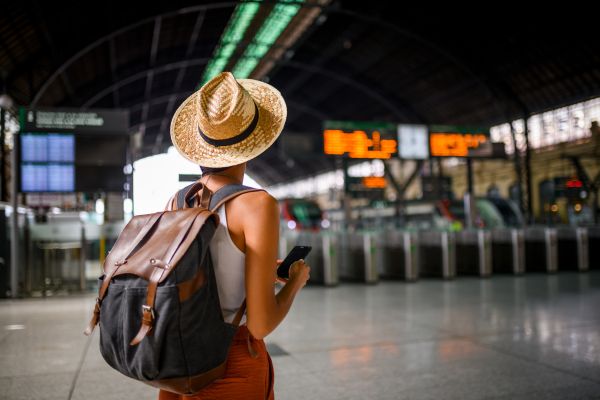
Traveling alone as a woman can feel like a quiet act of courage. It is not always dramatic or cinematic. Sometimes, it is as simple as booking a ticket, packing one bag, and deciding that you do not need to wait for someone else’s schedule to see the world. Solo travel gives women space to move at their own pace, listen to their instincts, and discover places without compromise.
At the same time, it is natural to think about safety, comfort, planning, and confidence before setting off. The best solo female travel tips are not about making travel feel frightening. They are about making it feel more manageable, more thoughtful, and more enjoyable. With the right mindset and a few practical habits, traveling alone can become one of the most rewarding experiences of your life.
Start With a Destination That Feels Right
Choosing the right destination matters, especially for a first solo trip. Some places are easier to navigate than others, not because they are perfect, but because they offer good public transport, walkable neighborhoods, reliable accommodation, and a steady flow of other travelers. A city with clear signs, safe transport options, and plenty of cafés or public spaces can make the first few days feel much less overwhelming.
It helps to read recent travel experiences from other women, not just polished travel guides. Personal stories often reveal the little things that official guides miss, such as how it feels to walk around after sunset, whether taxis are easy to use, or which neighborhoods feel calm and welcoming. However, every traveler has a different comfort level. What feels easy for one person might feel too busy or too isolated for another.
The goal is not to choose the “most popular” place. It is to choose somewhere that matches your confidence, budget, interests, and travel style. A smaller city, a coastal town, or a well-traveled capital can all be good starting points if they make you feel prepared rather than tense.
Share Your Plans Without Broadcasting Everything
One of the simplest solo female travel tips is to keep someone you trust informed. Share your flight details, accommodation address, and a rough itinerary with a family member or friend. You do not need to report every step, but having one person who knows where you are supposed to be can bring peace of mind.
At the same time, avoid sharing your real-time location publicly. Posting a hotel view, a street sign, or a café while you are still there may seem harmless, yet it can reveal more than you intend. It is safer to post later, once you have moved on. This small delay lets you enjoy the moment without giving strangers access to your exact whereabouts.
When meeting new people, be friendly but careful with personal details. You do not have to say you are traveling alone if it does not feel right. A casual “I’m meeting friends later” or “My group is nearby” can be enough to create a comfortable boundary.
Trust Your Instincts Before You Trust Politeness
Women are often taught to be polite, even when something feels wrong. Solo travel is a good time to unlearn that habit. If a situation feels off, leave. If someone is asking too many questions, end the conversation. If a street suddenly feels too quiet, turn around. You do not need a perfect reason.
Your instincts collect small pieces of information before your mind fully explains them. A tone of voice, a repeated glance, an empty platform, or a driver taking an odd route can all trigger that quiet inner warning. Listen to it.
This does not mean traveling in fear. In fact, trusting yourself can make travel feel calmer. You stop debating whether you are “overreacting” and start making simple decisions that protect your comfort. A confident no, a quick exit, or a changed plan is not rude. It is responsible.
Choose Accommodation With Care
Where you stay can shape the entire trip. For solo female travelers, accommodation is more than a place to sleep. It affects how easily you can get around, how safe you feel at night, and whether you have support nearby if something goes wrong.
Look for places with strong recent reviews, especially from solo travelers. Pay attention to comments about location, staff, lighting, cleanliness, noise, and check-in procedures. A beautiful room in a remote area may not be worth it if you feel uneasy returning after dinner. A simple guesthouse or hotel in a central, well-connected neighborhood may be a better choice.
Arriving during daylight is also helpful. It gives you time to understand the area, find nearby shops, locate transport stops, and settle in before dark. After checking in, take a few minutes to learn the exits, lock the door properly, and save the accommodation address in your phone. These details may seem small, but they create a stronger sense of control.
Pack Light, But Pack Smart
Packing light makes solo travel easier. You can move faster, manage stairs, use public transport, and keep your belongings close. A heavy suitcase can become frustrating when there is no one to help lift it or watch it while you buy a ticket.
Still, packing light does not mean packing carelessly. Bring clothes that suit the culture and climate of your destination. In some places, dressing modestly can help you blend in and feel more comfortable. Comfortable shoes are essential because solo travelers often walk more than expected. A small crossbody bag, a portable charger, basic medicines, copies of important documents, and a backup bank card can also make a big difference.
It is wise to keep your valuables split up. Do not store all your cash, cards, and identification in one place. If something is lost or stolen, you will still have a backup. This kind of preparation is not dramatic; it is just practical.
Learn the Local Basics Before You Arrive
A few local phrases can go a long way. Knowing how to say hello, thank you, excuse me, and help can make daily interactions smoother. Even when people speak English, making an effort shows respect and can create warmer exchanges.
It is also useful to learn basic transport rules, emergency numbers, common scams, tipping customs, and cultural expectations around dress or behavior. You do not need to become an expert before arriving, but a little knowledge helps you avoid awkward or unsafe situations.
Understanding local rhythm matters too. Some cities are lively late into the night, while others become quiet after sunset. Some areas are safe during the day but less comfortable at night. Knowing these patterns helps you plan your movements naturally instead of guessing.
Keep Your First Day Simple
The first day of a solo trip can be surprisingly emotional. You may feel excited, tired, alert, free, and slightly nervous all at once. That is normal. Instead of packing the day with sightseeing, give yourself room to adjust.
Plan an easy arrival. Know how you will get from the airport or station to your accommodation. Have the address saved offline. Keep a little local currency if needed. Once you arrive, eat something, shower, rest, and take a short walk nearby if you feel comfortable.
A gentle first day helps you build confidence. You start to understand the sounds, streets, transport, and pace of the place. By the second day, everything usually feels less unfamiliar.
Stay Connected Without Being Glued to Your Phone
Your phone is one of your best travel tools, but relying on it too much can make you distracted. Use it wisely. Download offline maps, translation apps, transport apps, and copies of travel documents. Keep your battery charged, especially when you are out late or moving between cities.
At the same time, look up from the screen. Notice landmarks. Remember street names. Pay attention to who is around you. If your phone dies or the internet stops working, you should still have a basic idea of where you are and how to get back.
A small written note with your accommodation address can also help, especially in places where you may need to show it to a taxi driver or ask for directions.
Be Open to People, But Keep Boundaries
Solo travel does not mean being alone all the time. In fact, it often makes meeting people easier. You may chat with someone on a walking tour, share a table at a café, or meet other travelers at a hostel or class. These moments can become some of the best memories of the trip.
Still, boundaries matter. You can be warm without being overly trusting. Meet new people in public places. Avoid sharing too much personal information too quickly. Watch your drink. Arrange your own transport. If you decide to go somewhere with someone you just met, tell a trusted person or share your live location privately.
Good company should make you feel relaxed, not pressured. Anyone who ignores your boundaries is giving you useful information. Believe it.
Spend Money Where It Improves Safety
Budget travel can be wonderful, but there are moments when spending a little more is worth it. A safer flight arrival time, a better-located hotel, an official taxi, or a direct train can reduce stress and risk. Saving money should not come at the cost of feeling trapped, exhausted, or unsafe.
This does not mean you need luxury. It means knowing when comfort and security matter. For example, if a cheaper room requires walking alone through an isolated area at night, the savings may not be worth it. If a late-night bus leaves you in an unfamiliar station at 3 a.m., a daytime route may be better.
Smart travel is not always about finding the lowest price. Sometimes, it is about choosing the option that lets you enjoy the journey with a clearer mind.
Build Confidence Through Small Decisions
Confidence in solo travel does not appear all at once. It grows through small decisions. Taking the metro alone. Ordering food in a new language. Finding your way back after getting slightly lost. Saying no. Changing plans. Sitting alone in a restaurant and realizing no one cares as much as you thought they would.
Each moment teaches you something. You learn that you can handle more than you expected. You learn that mistakes are not disasters. You learn that being alone does not have to mean feeling lonely.
Among all solo female travel tips, this may be the most personal one: let the trip change the way you see yourself. Travel is not only about places. It is also about discovering your own calm, courage, and judgment in unfamiliar surroundings.
Conclusion
Solo female travel is not about being fearless. It is about being prepared, aware, and open to the world without ignoring your own comfort. The right habits can make the journey smoother: choose destinations thoughtfully, protect your privacy, trust your instincts, stay connected, and give yourself permission to change plans when needed.
Most of all, remember that traveling alone is not a lesser version of traveling with others. It has its own quiet beauty. You get to decide when to wake up, where to wander, what to notice, and when to pause. With these solo female travel tips in mind, a solo trip can become more than a safe adventure. It can become a deeply personal experience that stays with you long after you return home.