
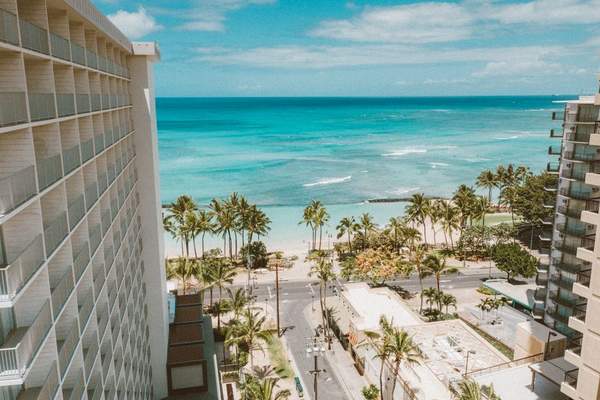
A hotel used to be the practical part of a holiday: somewhere comfortable to return to after seeing the “real” destination. In 2026, that hierarchy is changing. Hilton’s travel research points to more purpose-led trips, while Hotels.com reports that 59% of British millennial travellers are booking more than one hotel in a destination to add variety. The surrounding place still matters, but the stay itself is increasingly becoming a reason to travel.
The strongest destination hotels offer more than polished bedrooms. They create a complete rhythm through food, design, landscape, wellness and local culture. For UK travellers planning shorter, more considered escapes, these hotel-led holidays can also feel easier than building an itinerary around constant sightseeing.
What Makes a Hotel a Destination in Its Own Right?
A genuine hotel as destination should reward time spent on the property. There should be enough to do, taste and notice without feeling trapped inside a resort bubble. The best examples have a clear sense of place: Highland art and whisky in Braemar, estate-grown produce in Somerset, or outdoor bathing beside a river in County Antrim.
They also encourage a slower pace. Guests can book one or two anchor experiences and leave space for walks, long meals and unplanned hours. That balance is what separates standout hotel stays from ordinary luxury accommodation.
Destination Hotels Worth Booking for a 2026 UK Trip
The Newt in Somerset
The Newt is a working estate where the gardens, orchards, food and hotel share one story. Its formal gardens cover around 30 acres, while the wider experience includes estate tours, woodland activities, croquet and produce-led dining. It suits travellers who want more structure than a simple country-house stay. Bruton is nearby, yet it is easy to spend a full day exploring the estate.
The Fife Arms, Braemar
Set in the Cairngorms, The Fife Arms is part hotel, part gallery and part theatrical love letter to Scotland. Art, antiques, custom textiles and Highland references fill the public spaces, while Braemar’s mountains provide the setting. It is one of the most distinctive boutique hotel breaks for travellers wanting culture and landscape in equal measure. A day can move from an art tour to a hill walk, dinner and whisky at Bertie’s Bar.
Heckfield Place, Hampshire
Heckfield Place connects the country-estate experience with food and wellness. Its biodynamic Market Garden and organic Home Farm supply the restaurants, giving meals a direct relationship with the land. The 438-acre estate also includes woodland, trails and lakes, with activities such as rowing and wild swimming. Choose it for a restorative break where the farm, spa, dining room and landscape feel like one considered system.
Gleneagles, Perthshire
Gleneagles is one of Britain’s clearest full-scale destination hotels. Across its 850-acre estate, guests can combine golf and spa time with riding, fishing and other countryside pursuits. It works well for couples or families whose interests differ, because everyone can follow a separate plan before meeting for dinner. The practical advantage is simple: a varied holiday can happen without changing hotels.
Estelle Manor, Oxfordshire
Estelle Manor brings a social, contemporary mood to the Cotswolds. The Grade II-listed house sits on an 85-acre estate and includes several restaurants, fitness facilities and Eynsham Baths, a 3,000-square-metre Roman-inspired bathhouse and spa. It suits a celebratory weekend, friends’ break or wellness stay where dining and design matter as much as treatments.
Grove of Narberth, Pembrokeshire
Grove of Narberth offers quieter destination luxury, grounded in Welsh character and locally sourced food. Individually designed rooms reinterpret country-house style, while the Fernery and Artisan restaurants make dining central to the stay. Its Pembrokeshire location also gives guests easy access to coast and countryside. Choose it when warmth, craftsmanship and regional identity matter more than a long list of facilities.
Lime Wood, New Forest
Lime Wood is close enough to London for an easy short break, yet its New Forest setting quickly changes the pace. The three-level Herb House spa includes indoor and outdoor water experiences, while Hartnett Holder & Co serves relaxed Italian-influenced food shaped by seasonal produce. Forest walks and the nearby coast expand the trip, but neither needs to dominate it. This is a polished wellness weekend without unnecessary formality.
Galgorm, County Antrim
Galgorm’s main attraction is its Thermal Spa Village, a collection of indoor and outdoor bathing experiences beside the River Maine. The resort occupies 550 acres and offers hotel rooms, cabins, cottages and other private accommodation. It can be combined with Belfast or the North Antrim Coast, but the spa is substantial enough to anchor the trip. Book midweek when possible if a calmer atmosphere is the priority.
How to Plan a Hotel-Led Holiday Without Overspending
Choose the experience that justifies the room rate, then build the stay around it. On a three-night Somerset break at The Newt, use arrival day for the gardens, reserve the second day for an estate experience and long dinner, and keep the final full day open for Bruton or a countryside drive. This prevents expensive facilities from becoming things you never use.
Check what is included before comparing prices. Breakfast, spa access, activities, parking and transfers can change the real cost. A two-night stay with meaningful inclusions may beat a cheaper room followed by several paid add-ons. Related guides such as luxury weekend breaks in the UK, best UK spa hotels and slow travel itineraries are useful next steps when narrowing the shortlist.
Frequently Asked Questions
What is a destination hotel?
A destination hotel provides enough character, facilities and experiences to be a central reason for the trip. Guests may explore the surrounding area, but the hotel is part of the itinerary rather than simply a place to sleep.
Are destination hotels only for luxury travellers?
No. Many are luxurious, but the idea applies to any memorable stay built around food, nature, design, wellness or activities. Value depends on what is included and how fully you use the experience.
How many nights should I book?
Two nights work well for compact boutique hotel breaks, while larger estates and spa resorts often justify three. Staying longer gives you time to enjoy the property without sacrificing every opportunity to explore nearby.
When is the best time to book destination hotels for 2026?
For popular weekends, school holidays and seasonal events, booking several months ahead is sensible. Midweek and shoulder-season dates can offer better availability, a quieter atmosphere and sometimes more attractive packages.
A Better Reason to Get Away
The best destination hotels do not compete with their surroundings; they deepen the connection to them. A great stay can introduce a region through its ingredients, landscapes, crafts and rituals before you leave the grounds. For 2026, the smartest choice is not necessarily the newest or most expensive property. It is the hotel whose personality matches the trip you actually want.