
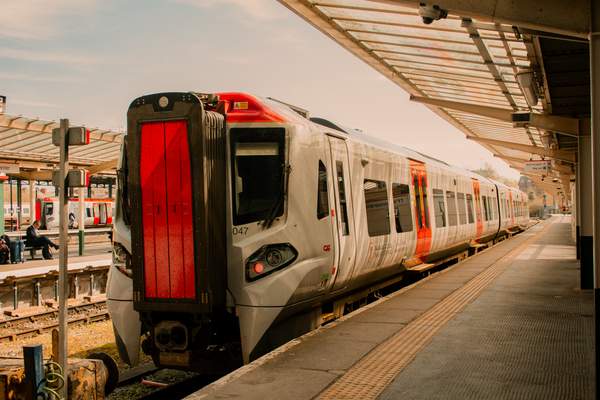
Coach travel is one of the simplest ways to cut the cost of getting around Britain, especially when rail fares are high or you are booking close to departure. The trade-off is usually time: a coach may take longer than the train, but the saving can be worthwhile when your schedule is flexible. For students, families and weekend travellers, cheap coach travel UK options can make a tight transport budget stretch further.
The best results come from comparing the whole journey rather than automatically choosing the lowest headline fare. Departure time, station location, luggage and local transport at either end can all change the real cost. A £5 saving is less useful if you then spend £8 getting from an inconvenient stop to your hotel.
Compare coach and rail before you book
Start with the same origin, destination and travel window on both coach and rail sites. Coaches often have an advantage on popular intercity routes, while rail can become competitive when advance fares, railcards or off-peak tickets are available. The aim is to compare the total price for the journey you actually need.
When checking intercity coach tickets, look at nearby departure times as well as your preferred one. A coach leaving an hour earlier or later may cost less. If you have flexibility, compare several outbound and return combinations rather than searching for one exact departure.
Book early, but check the ticket rules
Lower fares are often tied to specific services and availability, so booking earlier can give you more choice. However, the cheapest ticket is not automatically the best value if your plans may change. Some fares have tighter amendment or refund conditions, while more flexible options can cost extra.
Before paying, check what happens if you need to move your journey. National Express offers different fare types and amendment rules, while FlixBus provides online booking-management options subject to its current conditions. Policies can change, so rely on the rules shown for your specific ticket rather than an old screenshot or forum post.
Use departure time as a savings tool
For budget coach travel UK trips, timing can matter almost as much as the route. Friday evenings, Sunday returns, bank-holiday weekends and major event dates can attract stronger demand. If your schedule allows, compare mid-morning, afternoon and later-evening departures, and check adjacent days too.
Imagine a London-to-Birmingham weekend. Instead of searching only for Friday at 18:00 and Sunday at 17:00, check Friday afternoon or later evening, then compare a Monday morning return if your plans allow. Even a modest fare difference can be worthwhile when you are keeping the whole trip on budget.
Check the station, not just the city name
Cheap bus travel UK searches can be misleading if you focus only on the ticket price. Large cities may have several coach stops, and the cheapest service may not use the location that is most convenient for you. Check the exact departure and arrival points on a map before booking.
For an airport journey, calculate the cost from your home to the coach stop and from the arrival stop to the terminal. For a city break, check how far the coach station is from your accommodation. This prevents a low fare from being cancelled out by taxis or extra local transport.
Understand luggage before choosing the cheapest fare
Luggage is one area where assumptions can become expensive. Operators have their own limits for hold bags, hand luggage and extra items. National Express currently states that its core UK allowance includes one large suitcase up to 20 kg plus one piece of soft hand luggage. FlixBus tells UK passengers to check the allowance shown during booking or on the ticket and publishes cabin and checked-bag guidance.
If you are carrying sports equipment, extra suitcases or an unusually large bag, read the current operator rules before purchasing. Paying for extra luggage in advance may be easier than dealing with it at departure, and space for additional or special items can be limited.
Compare the real door-to-door cost
Low cost UK transport works best when you calculate more than the fare. Add any booking fees, seat reservations, luggage extras, local buses, Underground journeys, parking and taxis. Then consider journey time and convenience.
Suppose the coach costs £18 and the train costs £35. If reaching the coach stops adds £6 of local travel and the trip takes 90 minutes longer, the cash saving is really £11. That may still be excellent value for a leisure trip, but less attractive if you need to arrive quickly. Door-to-door comparison makes the choice clearer.
Make longer coach journeys easier
Bring water in a secure bottle, a light layer, headphones and a charged power bank. Many modern coaches provide features such as charging points, Wi-Fi and toilets, but availability can vary by vehicle and service, so check operator information if a particular facility matters to you.
Keep valuables, medication and travel documents with you rather than in the luggage hold. Arrive early enough to find the correct stand without rushing, particularly at unfamiliar stations or large airports.
Mix coach and rail when that saves more
The strongest saving can come from mixing transport types. You might take a coach on an expensive outbound leg and return by train when an advance fare is available. Another option is to use a coach between major cities, then switch to local public transport for the final stretch.
This approach is useful when planning cheap UK city breaks, building a UK transport budget or comparing ways of saving money on UK train travel. Treat each leg as a separate decision instead of forcing the entire trip onto one mode.
FAQ
Is coach travel usually cheaper than trains in the UK?
It often can be, particularly on intercity routes or when rail tickets are expensive, but not always. Advance rail fares, railcards and off-peak tickets can narrow the gap. Compare the exact journey, date and total door-to-door cost before booking.
How far ahead should I book a coach ticket?
Booking earlier generally gives you a wider choice of departures and may help you find lower fares, but there is no single rule for every operator or route. If your plans may change, balance price against amendment and refund conditions.
Can I take a suitcase on a UK coach?
Usually yes, but size, weight and quantity limits vary by operator and ticket. Check the current luggage allowance shown by your coach company before travel, especially if you need extra bags or special equipment.
Are coach tickets cheaper at off-peak times?
They can be. Prices and availability often vary by service, so comparing earlier, later and adjacent-day departures is one of the simplest ways to look for a lower fare.
Make coach travel part of a smarter UK travel budget
Coach travel works best as a flexible money-saving tool rather than a default choice. Compare it with rail, test different departure times, check the exact stations, read the luggage rules and calculate the complete door-to-door cost. Those checks can turn a cheap-looking fare into a genuinely low-cost journey and leave more of your travel budget for the trip itself.