
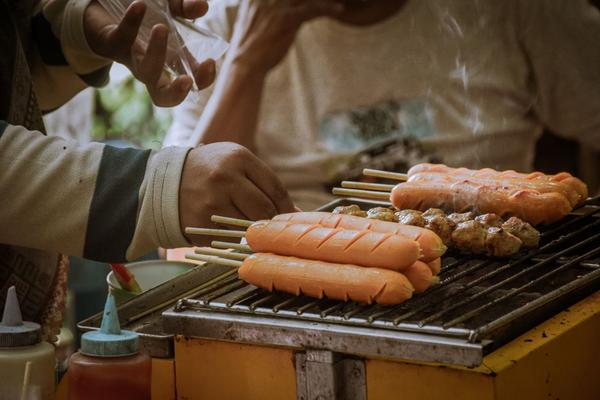
Food is one of the easiest travel costs to underestimate. A few coffees, snacks, restaurant meals and convenience-store stops can quietly take a large share of a daily budget. The goal is not to spend a trip eating the cheapest possible food. A better approach is to decide which meals matter most, save on the routine ones and leave room for the local dishes you actually travelled to enjoy.
That balance makes cheap food while travelling much more realistic. Instead of cutting everything, you can use supermarkets, bakeries, markets and well-timed restaurant meals to lower your average daily spend without making food feel like a constant restriction.
Set a daily food budget before you start spending
A simple travel meal budget gives you a useful reference point for the day. It does not need to be exact. You just need a rough ceiling that fits the destination and your overall trip budget. If accommodation includes breakfast, for example, you may be able to reserve most of your food allowance for lunch, dinner and one snack.
Think in averages rather than trying to make every meal equally cheap. One day might include a more expensive local dinner, while the next can be built around groceries and a casual lunch. That feels far less restrictive than trying to save the same amount at every meal.
Use grocery stores for the meals that matter least
Supermarkets are one of the most reliable sources of budget travel food because they give you control over both price and portion size. Breakfast is often the easiest meal to shift away from cafes. Yoghurt, fruit, bread, cheese, cereal or ready-to-eat items can cover the morning without requiring a sit-down meal.
Grocery shopping is also useful for travel days. Buying water, fruit, sandwiches or snacks before a train journey, museum visit or long coach ride reduces the chance of paying more simply because there is only one convenient option nearby.
Shop with a meal in mind
A supermarket only saves money if the food actually gets eaten. Avoid large packs of ingredients you cannot store, cook or finish. Travellers with kitchens can use simple staples, while hotel guests can build no-cook meals from bread, fruit, cheese, hummus, salad or other ready-to-eat foods.
Make lunch your main restaurant meal
If you want to eat out, lunch can offer better value than dinner in many cities. Restaurants may have smaller set menus, weekday specials or simpler daytime options. Rather than skipping restaurants entirely, make lunch the main paid meal and keep dinner light with groceries, takeaway food or a casual local option.
This is a practical way to save money on food abroad without missing the experience of eating local dishes. You still get a restaurant meal, but you are choosing the timing more strategically.
Look beyond the streets built for tourists
Restaurants beside major attractions, transport hubs and famous squares often charge for convenience as much as for the meal itself. Walking ten or fifteen minutes into a mixed residential area can reveal everyday bakeries, cafes, canteens and takeaway counters used by local workers.
Check menus before sitting down and compare a few nearby options. If prices are not displayed, asking first can prevent an unwelcome surprise.
Use local markets carefully
Food markets can be useful for cheap meals while travelling, but not every market is a bargain. Some are designed mainly for visitors, while neighbourhood markets may offer better everyday value. Compare several stalls before buying rather than assuming the first one is cheap.
Markets are especially useful for groups. Sharing fruit, bread, pastries or prepared dishes can reduce waste while letting everyone try more than one thing.
Carry one emergency snack
Many expensive food decisions happen when you are tired, hungry and far from the places you planned to eat. Keeping one filling snack in your day bag changes that. Fruit, nuts, crackers or a simple snack bar can buy you enough time to reach a supermarket or reasonably priced cafe instead of taking the nearest option.
Spend more on memorable food and less on forgettable food
Ask whether a meal is part of the experience or simply fuel between activities. If a destination is known for a particular dish or food tradition, that may be worth paying for. The coffee grabbed beside a station because you were rushing probably matters much less.
Imagine a three-day city break. On day one, you buy a supermarket breakfast, have a local set lunch and choose a simple takeaway dinner. On day two, you repeat the cheap breakfast but spend more on a regional speciality you have been looking forward to. On day three, you use leftover groceries for breakfast and pick up an inexpensive bakery lunch before leaving. You still enjoy memorable food, but the average daily cost stays controlled.
Watch the extras that inflate restaurant bills
Drinks, bottled water, starters, desserts and service charges can push a reasonable meal beyond what you expected. Check what is included before ordering, especially where bread, water or table service may be charged separately. Local customs differ, so reading the menu carefully is better than assuming the rules will be the same as at home.
FAQ
What is the cheapest way to eat while travelling?
Combining grocery-store breakfasts, simple snacks and one planned restaurant or takeaway meal is often more practical than avoiding eating out completely. The best mix depends on your destination, accommodation and access to cooking facilities.
How can I save money on food abroad without missing local cuisine?
Choose one local dish, market visit or restaurant meal that matters to you, then reduce spending on less memorable meals. Lunch specials, bakeries and casual neighbourhood restaurants can also offer local flavour at a lower cost than formal dinner venues.
Should I cook while travelling?
Cooking can reduce costs when you have a usable kitchen and are staying long enough to finish what you buy. For short stays, no-cook groceries may be more practical because they require less equipment and create less waste.
How do I avoid overspending on travel food?
Set a rough daily limit, check menus before ordering, carry a snack and avoid making every meal near major attractions. Reviewing your spending each evening also makes it easier to adjust before small overspends become a trip-long pattern.
Enjoy the food without letting it control the budget
Saving on food works best when it is selective. Use supermarkets for routine meals, take advantage of good-value lunches, explore neighbourhood options and keep a backup snack with you. Then spend more deliberately on the meals that are genuinely part of the travel experience. That keeps food costs manageable while still leaving space for one of the best parts of travelling: eating something worth remembering.