
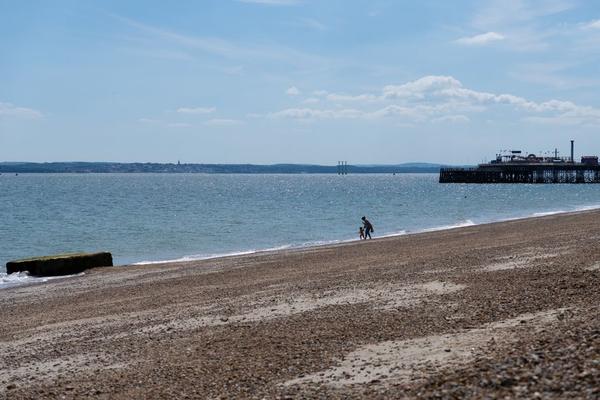
A brilliant family beach holiday does not necessarily mean chasing the hottest forecast. For children, the winning combination is usually simple: sand to play on, toilets within reach, somewhere to retreat when it rains and an easy journey back to bed after a long day. The UK offers everything from lively promenades to quiet dune-backed shores, so the trick is matching the coast to your family’s ages and energy levels.
Choose the kind of beach day your children actually enjoy
Before booking, picture a normal afternoon rather than the perfect postcard. Toddlers often do best near cafés and changing facilities. Older children may prefer rock pools, bodyboarding or room for beach games. For multigenerational trips, step-free access and nearby parking can matter more than dramatic scenery.
Look beyond the beach itself. A lovely cove reached by a long staircase may be awkward with a pushchair, while a sprawling sandy bay can involve a surprisingly long walk to the sea at low tide. Check tide times, access routes and seasonal lifeguard cover before settling on accommodation.
Family-friendly coastal escapes around the UK
Tenby, Pembrokeshire: a choice of beaches in one town
Tenby is a practical favourite for UK seaside holidays with kids because its three main sandy beaches offer different moods. Castle Beach is compact and close to town, North Beach has memorable views of Goscar Rock, and broad South Beach leaves plenty of room for games. Cafés, shops and the colourful harbour give you alternatives when younger children tire of the sand.
Castle Beach becomes much smaller at high tide, so plan the beach session rather than assuming there will always be space. Tenby also works well for families travelling without a car once they are staying centrally.
Weymouth, Dorset: classic seaside entertainment
If your family likes a busy promenade, Weymouth is an easy choice. Its broad sandy beach, nearby refreshments and traditional amusements make it straightforward to mix paddling with ice cream and a harbour walk. The gently shelving beach is popular with younger families, although adults should still supervise children closely in the water.
Choose a stay within walking distance of the seafront and you can avoid repeatedly packing the car. On a rainy afternoon, local indoor attractions offer a useful change of pace.
Woolacombe, Devon: sand, space and surf
Woolacombe suits families who want a beach-led holiday rather than a packed sightseeing schedule. The long sandy shore provides space for digging, running and learning about the waves. There are village facilities close by, and RNLI lifeguards patrol seasonally.
Atlantic surf can be powerful even when the sunshine looks inviting. Keep inexperienced swimmers in designated supervised areas, and consider a properly organised lesson for older children interested in surfing.
Filey, North Yorkshire: a gentler seaside pace
Filey combines a sweeping sandy bay with a traditional promenade and family amusements. It is particularly appealing if you want sandcastles and coastal walks without a hectic itinerary. Rock pools around Filey Brigg can fascinate school-age children, but only explore when the tide and conditions make it safe.
Wells-next-the-Sea, Norfolk: beach huts and big skies
Wells has a strikingly wide sandy beach backed by pinewoods and colourful huts. It is lovely for picnics, collecting shells and unhurried walks. A car park near the beach entrance helps, although the shoreline can still be some distance away when the tide is out.
This is one beach where planning is essential: tidal channels and rapidly rising water can cut people off on exposed sandbanks. Follow local warning signs and RNLI advice, and keep children near the main beach rather than wandering far across the flats.
North Berwick, East Lothian: seaside wildlife adventures
North Berwick is a rewarding Scottish option, especially for families interested in birds and marine life. Milsey Bay offers rock-pool exploring and views towards Bass Rock, while the nearby Scottish Seabird Centre provides an engaging indoor alternative. The harbour and town are close enough to make short outings manageable.
Portrush, Northern Ireland: wide sands and town facilities
Portrush East Strand combines a long sandy beach with a promenade, parking and cafés within easy reach. It is popular for surfing and family walks, and seasonal lifeguard patrols make it attractive for summer visits. For children who would rather play than swim, there is plenty of room for beach games.
How to plan a smoother family coastal break
Choose accommodation for the walk to the beach, not just its sea view. A self-catering flat with a washing machine and a place to dry towels can be more useful than a distant hotel with impressive photographs. Check parking costs, cot availability, stairs and whether the beach route is practical with your equipment.
For a realistic two-day Tenby break with a preschooler, try North Beach in the morning, return to your accommodation for lunch and a rest, then stroll around the harbour later. On the second day, check the tide before choosing Castle or South Beach. Two relaxed sessions can work better than forcing everyone to stay out all day.
Pack layers, sunscreen, drinking water, a windbreak and spare dry clothes. A small bucket can provide more entertainment than a bag of expensive toys. For wider trip ideas, compare family holidays in Wales, UK coastal walks with children and rainy-day activities for families before choosing your base.
Beach safety without spoiling the fun
Where possible, choose a lifeguarded beach and swim or bodyboard between the red-and-yellow flags. Check the RNLI’s latest beach information because patrol seasons vary. A red flag means do not enter the water. Children need close supervision even in shallow water, and cold seas, currents and changing tides should never be underestimated.
Check official bathing-water information if swimming is a priority, especially after heavy rainfall. In a coastal emergency in the UK, call 999 and ask for the Coastguard. Knowing these basics makes time at the beach more enjoyable, not less.
Frequently asked questions
Which UK beaches are best for toddlers?
Weymouth and central Tenby are useful starting points because sand, refreshments and town facilities are close together. The best choice depends on your child’s mobility, access requirements and the day’s conditions.
When is the best time for family beach holidays in the UK?
July and August generally offer the warmest beach-going weather and the widest range of seasonal services, but they can be crowded. June or early September may suit families who can travel outside school holidays. Always check lifeguard dates.
Are quieter beaches safer for children?
Not necessarily. A peaceful-looking beach may have no lifeguards, strong currents or fast-moving tides. Assess access, local warnings and water conditions rather than crowd levels alone.
Can a UK beach holiday work without a car?
Yes. Towns such as Tenby, Weymouth and North Berwick can work well if accommodation is close to the beach and transport links. Check the exact route with luggage and children before booking.
Make the beach fit your family
The best family beach holidays in the UK are built around manageable days, not a checklist of attractions. Pick a shore that fits your children, give yourself an indoor backup and leave room for spontaneous sandcastle competitions. Those simple moments often become the stories everyone remembers.