
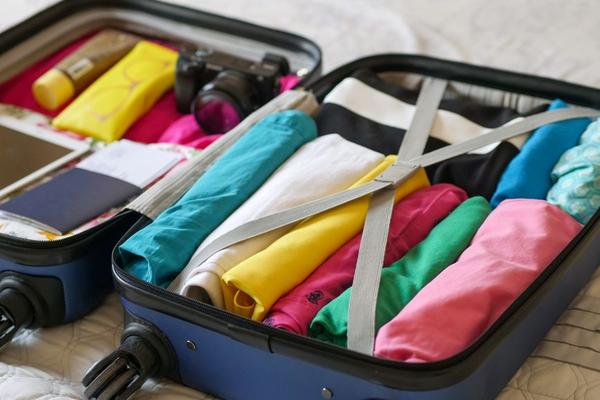
Family trips get easier when you pack for what actually happens: a spilled drink in the departure lounge, a cold evening after a hot day, or a child who suddenly needs their familiar bedtime toy. This family travel packing list covers the essentials without turning every suitcase into a miniature wardrobe. Use it as a starting point, then adjust for your children’s ages, the weather, transport and access to laundry.
Start with a simple family packing checklist
Write down each traveller’s name and divide their needs into five groups: clothing, wash kit, health items, documents and journey-day supplies. Check the forecast for the whole stay. Ask what your accommodation provides; a cot, towels or washing machine can remove bulky items from the list.
Keep shared items such as sunscreen, first-aid supplies and chargers together. Separate packing cubes or labelled bags for each child make clean socks easier to find at bedtime.
Clothes and shoes to pack for kids
Choose comfortable outfits that mix and match. Without laundry facilities, start with one outfit per day plus one or two spares for younger children. Babies may need more changes; older children may need fewer.
Clothing checklist
Pack tops, bottoms, underwear, socks, sleepwear, a warm layer and weather-appropriate outerwear. Add swimwear and a sun hat for sunny trips, or gloves and insulated layers for colder ones. Include reliable walking shoes and a second pair only if activities require them. Test new shoes before long sightseeing days.
For a five-night trip with a six-year-old, six outfits, two sets of sleepwear, seven pairs of underwear and a lightweight jacket are a reasonable starting point. With a washing machine, you can take less. The goal when packing for kids holiday travel is to prepare for likely messes, not every possible scenario.
Toiletries and everyday hygiene
Share supplies where practical but keep child-specific products separate. Basics include toothbrushes, toothpaste, a hairbrush, gentle soap, shampoo, sunscreen and tissues. For younger children, add nappies or diapers, wipes, changing bags and nappy cream. A small wet bag holds damp swimsuits or soiled clothes.
Use leak-resistant pouches and check security restrictions when flying. Buy bulky supplies after arrival only if suitable products will be readily available.
Medicines and health essentials
Bring enough prescribed medicine for the trip and a little extra for delays when appropriate. Keep essential medicines in hand luggage, preferably in original labelled packaging. Check destination rules for restricted medications. Consider a thermometer, plasters, oral rehydration supplies and age-appropriate fever or pain medicine approved by your child’s healthcare professional.
Never guess a child’s dosage. For international trips, check routine vaccinations and destination health advice beforehand; the CDC recommends arranging a pre-travel medical consultation at least a month before departure where possible. Keep allergy information, emergency contacts and insurance details accessible.
Documents every family should check
Gather passports, visas where required, tickets, booking confirmations, insurance details and relevant medical information in a protected wallet. Children, including infants, generally need their own passports for international air travel, although exact rules depend on nationality and route. Check entry and transit requirements, including passport validity.
If one parent, a guardian or another adult travels with the children, some destinations require consent letters or evidence of the relationship. Consult official border guidance rather than assuming requirements are universal. Store secure digital copies separately.
Baby and toddler extras worth the space
The travel essentials children need change with age. For babies, consider milk or feeds, bottles, cleaning supplies, bibs, nappies, wipes, spare clothes, a changing mat and a suitable sleep arrangement. A carrier helps on stairs; a stroller is useful for longer walks.
Toddlers may need a comfort item, spill-resistant cup and familiar food. Confirm that a car seat suits your child, vehicle and local rules. Do not assume a rental car or transfer includes an appropriate child restraint.
What belongs in the day bag or carry-on?
Think of this bag as your plan for delays. Keep documents, essential medicine, water where permitted, snacks, wipes, a spare outfit, a bag for messes, chargers and one calming activity within reach. For babies, add enough feeding and changing supplies for a longer-than-expected journey.
Security rules differ by country. In the United States, the TSA permits formula, breast milk and baby food above the usual small-liquids limit, subject to extra screening. Verify the rules for your airports and airline.
Entertainment without carrying a toy box
One favourite toy, an activity book, crayons and downloaded stories may be more useful than a bag of bulky toys. Charge devices before leaving and make sure headphones fit. Save a surprise activity for a difficult stretch.
On road trips, rotate activities at rest stops instead of handing everything over at once. Our family road trip planning guide offers ideas for coordinating breaks and meals with the back-seat bag.
Adjust the list to your type of trip
A beach holiday calls for swimwear, suitable sun protection and perhaps water shoes. A city break favours comfortable footwear and a compact stroller. Cold destinations need insulated layers and dry socks; camping adds sleeping equipment and weather-resistant storage. For destination-specific planning, see our beach holiday with kids checklist or flying with a baby guide.
A reusable family packing checklist should still change with each trip. Remove items that do not match your actual itinerary.
How to avoid overpacking
Lay everything out before packing. Remove duplicate toys, extra shoes and unlikely “just in case” outfits. Choose coordinating clothes, decide whether laundry is available and weigh bags if your airline sets limits. Wear bulky jackets during travel rather than filling the suitcase.
Let school-age children choose between two suitable outfits or activities. You remain responsible for essentials, but their input helps prevent forgotten favourites.
Frequently asked questions
How many outfits should I pack for my child?
Start with one per day plus one or two spares, adjusting for age, weather and laundry. Babies often need additional changes.
What should I keep accessible when flying with kids?
Carry documents, medicines, snacks, wipes, spare clothing, feeding supplies and quiet entertainment. Check the baggage and liquid rules for your journey.
Do children need their own travel documents?
For international journeys, children typically need valid passports and may need visas. Certain travel arrangements also require consent paperwork; check official guidance.
How do I pack lighter for a family holiday?
Share toiletries, plan laundry, combine repeatable outfits and take equipment that cannot be safely or conveniently obtained at your destination.
The best family travel packing list is not the longest one. Prepare documents and health supplies first, pack for the real itinerary and leave some space for that inevitable unexpected change of clothes.