
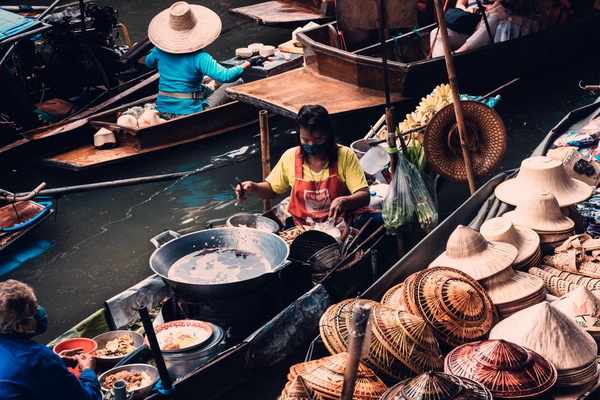
For many UK travellers, choosing where to go in 2026 is becoming less about ticking off landmarks and more about asking a simpler question: what will we eat when we get there? Food-led travel is moving beyond generic “best restaurant” lists towards markets, neighbourhood bakeries, family-run bars, regional producers and dishes that make sense in their place of origin. That makes culinary travel feel more personal than a sightseeing itinerary built around the usual highlights.
The strongest food tourism destinations are places where breakfast, a market stop and dinner can all reveal something about local life. For UK travellers planning food focused holidays, these destinations combine distinctive traditions with enough variety to reward several days of eating and exploring.
San Sebastián, Spain: pintxos with serious pedigree
San Sebastián is one of Europe’s most complete gastronomy tourism destinations because high-end cooking and casual eating sit naturally side by side. Its pintxos culture is built around moving from bar to bar, usually trying one or two small dishes at each stop instead of settling in for a long meal.
The Old Town and Gros are ideal for this style of evening. One bar may specialise in grilled mushrooms or anchovies; another might serve a modern miniature dish based on seasonal seafood. Basque cooking also places strong emphasis on local produce, from Cantabrian fish to txakoli wine and cider. A good first-night plan is to choose three or four busy bars within walking distance and order one house speciality in each.
Bologna and Emilia-Romagna, Italy: follow the ingredients
Bologna earns its place among the best food cities through dishes tied closely to the surrounding region. Fresh pasta, ragù and mortadella are obvious starting points, but the real value of a food trip comes from connecting the city with Emilia-Romagna’s producers.
A Bologna stay can include visits focused on Parmigiano Reggiano, traditional balsamic vinegar and cured meats. That turns a plate of pasta into part of a larger story about farming, ageing and regional craft. Leave space for a market morning or producer visit rather than trying to eat every famous dish in two days. An internal guide to Italian food regions worth exploring would fit naturally here.
Lisbon, Portugal: everyday food with Atlantic character
Lisbon works particularly well for UK travellers who want a short culinary break without making every meal formal. Its food culture ranges from simple cafés and neighbourhood tascas to contemporary dining, with seafood and Atlantic ingredients providing a strong thread.
Pastéis de nata are the obvious sweet stop, while bacalhau, grilled sardines and bifanas offer a savoury sense of place. Mix well-known classics with ordinary local routines: espresso at a counter, a market visit, a simple lunch and perhaps one carefully booked dinner. June has especially strong associations with grilled sardines during the city’s popular saints festivities.
Copenhagen, Denmark: innovation beyond tasting menus
Copenhagen’s global reputation was shaped by New Nordic cooking, but travellers do not need a luxury reservation to understand the city’s food culture. Smørrebrød, bakeries, speciality coffee, neighbourhood bistros and food markets create variety across different budgets.
Torvehallerne is a useful starting point because it brings produce, bakeries, seafood, cheese, coffee and small food stalls into one central setting. Street-food spaces such as Reffen show a more informal side. Copenhagen rewards travellers who care as much about ingredients, craft and atmosphere as prestige.
Marrakech, Morocco: food as part of the evening theatre
Marrakech offers a very different kind of culinary travel. Here, flavour is inseparable from sound, smoke, spice shops and public spaces. Jemaa el-Fna changes character as evening arrives, with food stalls and open-air eating becoming part of the square’s social life.
Harira, tagines, grilled meats, breads, dates, mint tea and fresh juices can all feature in a food-led stay. Spend time in markets, learn which spices are actually used in local cooking and consider a cooking experience that begins with shopping for ingredients. A related guide on how to explore traditional food markets would be a useful internal link.
Osaka, Japan: street food, markets and appetite
Osaka has long been associated with an exuberant love of eating. Its famous comfort foods include takoyaki and okonomiyaki, while neighbourhoods such as Namba, Tenma and Shinsekai offer dense concentrations of casual restaurants, izakaya and standing bars.
Kuromon Market gives visitors an introduction to seafood, produce and prepared foods, but Osaka is best experienced beyond a single tourist market. Try a specialist shop, a small counter restaurant and a local drinking district in the same day. The city rewards travellers who are willing to order something unfamiliar.
Mexico City, Mexico: markets, tacos and serious restaurant culture
Few cities show the range of food tourism as clearly as Mexico City. Public markets, fondas, street stands, bakeries, cantinas and ambitious restaurants all contribute to the same culinary ecosystem. Tacos are an easy entry point, but the city’s food identity is much broader, reflecting regional Mexican traditions and constant urban reinvention.
Instead of chasing a long list of viral places, choose one neighbourhood and eat across several levels: breakfast from a bakery or street stall, lunch in a market fonda, then a booked dinner that interprets Mexican ingredients differently. Readers extending their trip could also explore an internal guide to Mexico food travel ideas.
How to plan a food-focused holiday that feels authentic
The easiest way to make food the centre of a trip is not to reserve every meal. Build each day around one or two fixed experiences and leave room for discovery. Markets are usually best earlier in the day, while popular tasting-menu restaurants may require advance booking. Ask hotel staff, market traders or local guides what they personally eat nearby.
It also helps to think regionally rather than simply by city. Bologna connects naturally with Emilia-Romagna’s producers, San Sebastián with cider houses and coastal Basque towns, and Lisbon with nearby seafood destinations. This creates a richer trip than moving quickly between famous restaurants.
FAQ
What makes a destination good for food tourism?
A strong food destination has more than famous restaurants. Look for local markets, distinctive regional dishes, active food traditions, independent producers and places where residents genuinely eat.
Which European destinations suit a short foodie break from the UK?
San Sebastián, Bologna, Lisbon and Copenhagen are particularly appealing because each has a strong food identity and enough culinary variety for a long weekend or short break.
Do food tourism trips have to be expensive?
No. Some of the most memorable experiences are markets, bakeries, street food, neighbourhood cafés and casual bars. A sensible approach is to combine everyday local food with one or two higher-cost experiences.
How far ahead should I book restaurants?
Book destination restaurants and popular tasting menus well ahead, especially for weekends. Leave some lunches and casual dinners unplanned so you can follow local recommendations after you arrive.
Make the meal part of the destination
The best food tourism destinations give travellers more than dishes to photograph. They reveal how a place farms, shops, celebrates, socialises and preserves its traditions. In 2026, that is the real attraction of gastronomy tourism: returning home with a clearer sense of how a destination tastes and why its food matters.