
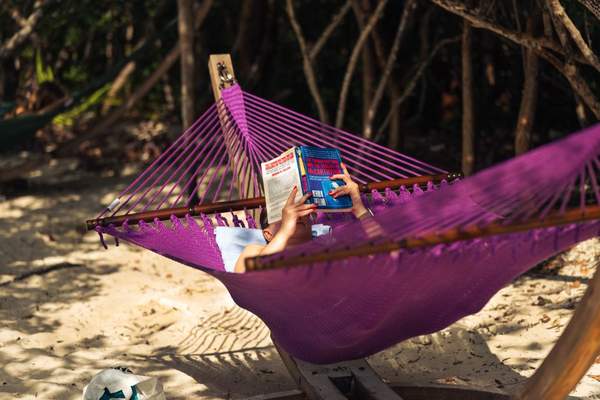
Slow travel is less about moving slowly than choosing carefully. Instead of squeezing three cities, two flights and a packed sightseeing list into one week, it gives a place enough time to become familiar. You notice which bakery locals use, how the light changes across the harbour and which train route offers the best view. For UK travellers planning 2026 trips, that calmer rhythm can feel more luxurious than adding another destination.
ABTA’s 2026 trends highlight interest in rail and interrailing among younger travellers. Slow travel connects naturally with that shift through fewer transfers, longer stays, shoulder-season departures and more meaningful time in one region.
What a slow travel holiday actually looks like
A slow holiday does not require a month off work or a remote cottage with no phone signal. It can be a seven-night trip based in one town, a rail journey with only two overnight stops, or a villa stay where day trips remain optional. The choice is depth over coverage.
Imagine a ten-night trip to northern Italy. A rushed itinerary might divide the time between Milan, Venice, Florence and Rome. A slower version could use Bologna as a base, with rail trips to Modena, Parma and Ravenna. You still experience variety, but unpack once and leave space for unscheduled discoveries.
Why slow travel suits 2026
Longer stays can create better value
Longer stay holidays are not automatically cheap, yet they can reduce the hidden costs of constant movement. Every transfer may bring another taxi, luggage fee, station meal, hotel check-in window or lost afternoon. Staying put makes it easier to book accommodation with a kitchen, use local transport passes and shop where residents shop.
Compare the total cost per useful holiday day, not only the nightly room rate. A slightly more expensive apartment in a walkable neighbourhood may offer better value than a cheaper hotel that requires daily taxis and leaves you paying for every meal outside.
Rail makes the journey part of the experience
ABTA’s 2026 trends identify rising enthusiasm for train and interrailing holidays among younger adults. Rail suits slow travel because landscapes and distances remain visible. A route through Switzerland, coastal Spain or the Scottish Highlands becomes part of the holiday.
Keep the route simple. Two bases over ten days will usually feel calmer than five cities. Choose direct services where possible, allow generous connection times and avoid arriving somewhere unfamiliar late at night. A slower itinerary should remove friction, not replace flights with an exhausting chain of trains.
Shoulder seasons encourage a gentler pace
Spring and early autumn can support mindful travel particularly well. Popular places may be easier to explore, temperatures can be more comfortable for walking, and cultural sites may feel less pressured. ABTA has also identified September as an increasingly important travel month for UK holidaymakers.
Seasonality still matters. A quiet Greek island in October may have reduced ferry services, while an Alpine village between summer and ski season could have many closed businesses. Check transport, opening dates and weather patterns before booking rather than assuming off-peak always means better.
Slow travel holiday ideas for different travellers
Choose one region, not one country
A country can be far too large for a single relaxed trip. Narrow the map to a region with enough variety for your interests: Puglia for coastal towns and food, the Dordogne for markets and villages, Slovenia’s Julian Alps for lakes and walking, or the Basque Country for beaches, culture and dining.
Book a countryside or coastal base
A well-chosen villa, cottage or small hotel can become part of the experience rather than somewhere used only for sleeping. Look for a nearby market, a walkable village, access to public transport and two easy day trips. Our guide to luxury villa holidays is a useful companion for travellers who want privacy without an overfilled itinerary.
Try a city neighbourhood stay
Slow travel works in cities too. Stay in one neighbourhood, build a daily routine and choose only one major sight per day. Lisbon, Vienna, Copenhagen and Edinburgh all reward travellers who spend time beyond the headline attractions.
Plan a food-led journey
Food offers structure without demanding constant movement. Base a trip around market days, vineyard visits, cooking classes and family-run restaurants. Bologna, for example, can anchor visits connected to balsamic vinegar, Parmigiano Reggiano and regional pasta while keeping travel distances manageable.
Use bespoke planning when the route is complex
Bespoke holiday planning is useful when it simplifies a trip and protects free time, especially with rail timetables, accessible accommodation or multi-generational needs. Ask why each stop belongs, what can be removed and how the itinerary works if plans change.
How to build a calmer itinerary
Start by choosing the feeling you want from the trip: restorative, cultural, outdoors-focused or food-led. Select one main base for every five to seven nights. Mark only experiences that genuinely require advance booking, then leave at least one unscheduled half-day after every busy day.
Use a one-anchor-per-day rule. The anchor might be a museum, coastal walk, vineyard lunch or train trip. Everything else is optional. This prevents the holiday from becoming a project plan and leaves room for local recommendations, weather changes and rest.
Useful companion topics include shoulder-season travel in Europe and planning a European rail journey, helping you compare timing and transport before booking accommodation.
Common mistakes to avoid
Do not confuse slow travel with doing nothing. A good itinerary still reflects your interests; it simply avoids making every hour accountable. Equally, do not choose an isolated property without checking how you will buy groceries, reach restaurants or access essential services.
Another mistake is repeatedly adding “just one more stop”. Packing, checking out, travelling and checking in can consume most of a day. When choosing between another destination and an extra night, the extra night is often the more memorable option.
A more thoughtful kind of luxury
Luxury in slow travel is measured in time, space and control. It is the freedom to order another coffee because the next train is not in twenty minutes, return to a favourite restaurant, or change plans when the weather is perfect. In 2026, the most appealing upgrade may be not a busier holiday, but one that feels restorative.
Frequently asked questions
How long should a slow travel holiday be?
There is no fixed minimum. Seven nights in one base can work well, while ten to fourteen nights allow two carefully chosen locations. The key is reducing unnecessary transfers and leaving breathing room between activities.
Is slow travel only for expensive holidays?
No. Fewer transfers may reduce transport costs, while longer stays can make apartments, self-catering and local shopping more practical. Compare the total trip cost rather than focusing only on accommodation prices.
Can families travel slowly?
Yes. Families often benefit from fewer hotel changes, familiar routines and flexible days. Choose a base with easy food options, short local journeys and activities that do not all require advance reservations.
What is the best way to start planning?
Choose one region, identify one main experience for each day and remove any stop that exists only because it is famous. A successful slow itinerary should feel spacious before you book it, not merely once you arrive.