
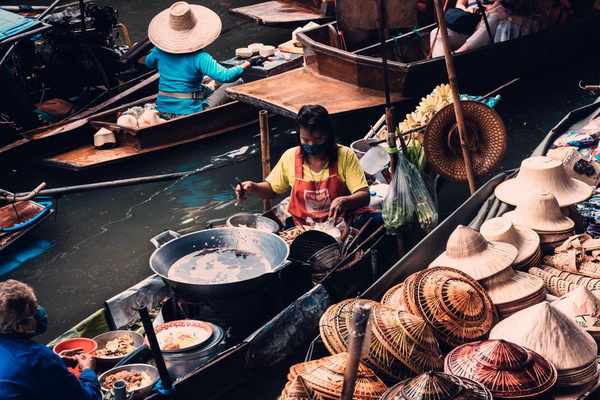
For many UK travellers, the most memorable part of a holiday is no longer the landmark photographed from every angle. It is the bowl of noodles eaten on a plastic stool, the cheese tasted at a family-run farm, or the bakery recommended by someone who lives nearby. That shift is why food tourism destinations are attracting so much attention in 2026.
Food-led travel is becoming more personal and local. Rather than following a generic list of famous restaurants, travellers are building trips around markets, regional ingredients, cooking traditions and neighbourhood favourites. The best culinary travel experiences offer a sense of place: you understand a destination through what grows there, how people cook and where they gather to eat.
Why food tourism feels different in 2026
There is still room for tasting menus and celebrated chefs, but authenticity is increasingly the real luxury. A morning market can reveal more about a city than a polished dining room, while a small producer visit may become the story you tell long after returning home.
This makes food focused holidays suitable for many budgets. One evening might involve a Michelin-recognised restaurant; the next could be built around street food, bakeries or a simple regional dish. Strong gastronomy tourism connects these experiences instead of treating fine dining and everyday food as separate worlds.
The best food tourism destinations for UK travellers
Bologna and Emilia-Romagna, Italy
Bologna is an easy choice for travellers who want food to shape the itinerary. The city is associated with fresh pasta, mortadella and ragù, while the wider Emilia-Romagna region adds Parmigiano Reggiano, traditional balsamic vinegar and Parma ham.
Visit Bologna’s markets and book a pasta-making class rather than rushing between reservations. Day trips to Modena, Parma or countryside producers turn a city break into a deeper exploration of one of Europe’s most influential food regions.
San Sebastián and the Basque Country, Spain
San Sebastián combines relaxed bar-hopping with serious culinary ambition. Pintxos make it possible to taste widely without committing to a formal meal: order one or two small dishes, move to the next bar and follow the evening’s rhythm.
The surrounding Basque Country adds fishing towns, cider houses, markets and produce shaped by coast and countryside. It remains one of the best food cities for travellers who want casual eating and high-end restaurants in the same compact destination.
Lisbon, Portugal
Lisbon works especially well for UK travellers seeking a short-haul foodie trip. Its appeal goes beyond pastel de nata. Traditional tascas, seafood restaurants, bakeries, wine bars and modern kitchens create a scene that feels energetic without losing its identity.
Explore neighbourhoods rather than eating only around busy visitor areas. Look for grilled sardines in season, salt cod, bifanas, regional cheeses and Portuguese wines. A day trip to the coast can add fish markets and simple seaside meals.
Bangkok, Thailand
Few places make eating feel as immediate as Bangkok. Street stalls, food courts, markets and restaurants operate side by side, offering aromatic noodle soups, grilled skewers, curries, seafood and refined contemporary Thai cooking.
Choose a few neighbourhoods, take a guided market tour early in the trip and return independently once you understand how dishes are ordered. Bangkok is ideal for culinary travel that values flavour, variety and everyday food culture over formality.
Tokyo and Osaka, Japan
Tokyo offers remarkable range: sushi counters, ramen shops, yakitori bars, food halls, specialist cafés and ambitious restaurants can all fit into one visit. Planning meals by neighbourhood is more practical than crossing the city for every famous address.
Osaka brings a playful, street-level energy. Takoyaki and okonomiyaki are central to its reputation, while markets and entertainment districts keep food at the heart of city life. Combining the two cities creates one of the most varied food focused holidays available.
Mexico City, Mexico
Mexico City is a compelling choice for travellers who want food connected to history, agriculture and neighbourhood life. Tacos are only the beginning. Markets, bakeries, tamale stalls, mole dishes and regional cooking from across the country create extraordinary variety.
A good food tour can provide context around ingredients such as chillies, maize and cacao. Leave space for spontaneous stops too. Some of the best meals come from following a queue, noticing a busy counter or accepting a local recommendation.
Wrocław, Poland
For a less obvious European break, Wrocław is emerging as a confident culinary destination. Its restaurants are giving Polish and Silesian traditions a modern voice, with pierogi, game, fermentation and seasonal produce appearing in relaxed and polished settings.
The city’s market-square atmosphere, cafés and riverside areas suit a long weekend. It is a reminder that gastronomy tourism need not revolve around established capitals; smaller cities can offer better value, fewer crowds and a stronger sense of discovery.
How to plan a food-led holiday well
A successful food trip needs breathing room. Avoid booking every meal before departure, because recommendations change and unexpected discoveries are part of the experience. Reserve only the restaurants that genuinely require advance planning, then leave several meals flexible.
Check market days, seasonal specialities and local meal times. Consider one structured activity, such as a cooking class, producer visit or neighbourhood food walk, to understand the cuisine beyond a list of dishes. Travellers with allergies or dietary restrictions should learn relevant local phrases and confirm ingredients carefully.
Think regionally as well. A city may be the gateway, but farms, vineyards, fishing ports and smaller towns often reveal where its food traditions begin. The strongest trips connect the celebrated plate with the people and landscape behind it.
Frequently asked questions
What are food tourism destinations?
They are places where local cuisine, food production, markets, restaurants and eating traditions form a major part of the travel experience. The focus may include street food, regional dishes, fine dining, cooking classes or visits to producers.
Which destination is best for a first food-focused holiday?
Bologna, Lisbon and San Sebastián are excellent starting points for UK travellers because they are accessible, easy to explore and rich in regional food. The best choice depends on budget, travel pace and whether you favour markets, casual dining or restaurants.
Do culinary holidays have to be expensive?
No. Many rewarding food experiences are affordable, including bakeries, markets, food halls and neighbourhood cafés. Mixing one special reservation with casual local meals can create a memorable trip without making every day costly.
How many meals should be booked in advance?
Book restaurants with limited seating or strong demand, particularly for weekends. Keep the rest flexible so you can follow local advice, return to a favourite place or adapt plans around markets and day trips.
Conclusion
The best food tourism destinations do more than serve excellent meals. They help travellers understand local history, geography and daily life through flavour. Whether you choose Bologna’s producers, Bangkok’s street food, San Sebastián’s pintxos or an emerging city such as Wrocław, the most satisfying approach is to eat with curiosity. In 2026, authenticity matters more than ticking off famous names, making food-led travel richer, more personal and far more memorable.