
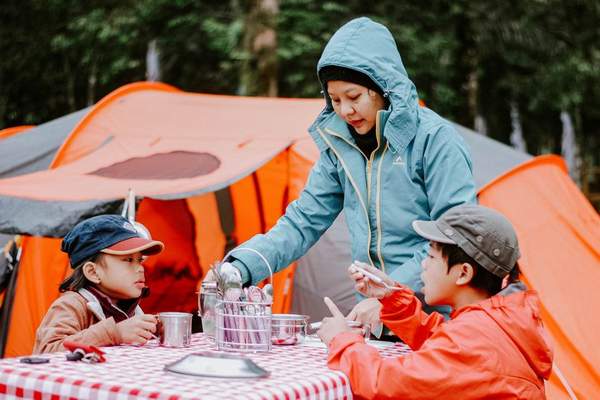
Family camping holidays in the UK can deliver something that expensive resorts sometimes miss: unhurried time together. Children can roam within a safe campsite, parents can enjoy a slower morning, and the best entertainment might be a stream, a football or a torch-lit walk. But camping with children is more enjoyable when the small practicalities are settled before anyone climbs into the tent.
The trick is to plan for comfortable nights, manageable journeys and changeable weather, rather than trying to reproduce a hotel holiday outdoors. A short, well-chosen first trip often beats an ambitious week that leaves everybody exhausted.
Choose a campsite for your family, not just the scenery
The most photogenic pitch is not always the right one. When comparing family campsites in the UK, check the walking distance to toilets, whether showers have family cubicles, and whether the site offers a play area or space for ball games. Read recent reviews for comments about noise, cleanliness and how busy the facilities become.
For toddlers, a flatter pitch away from vehicle routes and open water may matter more than spectacular views. Older children may appreciate a games room or nearby cycle trail. Check the site’s rules on quiet hours, fires, dogs and arrival times before booking.
Start small and choose your dates carefully
A two-night trial during late spring or summer gives everyone time to learn the routine without committing to a long stay. School-holiday weekends can be busy, so reserve popular sites early and compare midweek rates if your dates are flexible. Even in summer, nights can feel chilly, especially in exposed or upland locations.
A family camping checklist that prioritises comfort
Begin with the essentials: a weather-appropriate tent with enough sleeping space, a groundsheet, sleeping bags suited to expected night temperatures, insulated sleeping mats, pillows and a reliable torch for every adult. Practise pitching the tent at home so your first attempt is not in fading light.
For clothing, pack waterproof jackets and trousers, warm layers, extra socks, sturdy footwear and a complete dry outfit kept in a sealed bag. Give each child a small bag for their own pyjamas and favourite comfort item. A spare towel and plastic bags for wet clothes earn their space.
Your camping checklist for a family should also cover water bottles, simple food, suitable cooking equipment, washing-up supplies, sun protection, insect repellent, prescribed medicines, a first-aid kit, and chargers or power banks. For babies, include sufficient nappies, wipes, feeding supplies and suitable sleep equipment.
Make sleeping arrangements feel familiar
The first night is often the biggest adjustment. Try to pitch well before dinner, show children where the toilets are, and agree on a simple night-time plan. Keep a lantern or torch within reach, but avoid bright lights that disturb neighbouring pitches.
Maintain a recognisable bedtime sequence, even if the timing shifts: wash, pyjamas, story and lights out. Young children may settle better with their usual soft toy. Don’t underestimate insulation beneath sleeping bags; cold ground can make a seemingly warm night uncomfortable.
For example, if your family has a four-year-old who normally wakes to use the toilet, choose a pitch near facilities and leave shoes, coats and torches ready by the tent door. That tiny preparation can turn a stressful midnight dash into a straightforward outing.
Keep meals easy and spending under control
Plan familiar meals that need little preparation. Sandwiches, pasta, porridge and pre-prepared ingredients are easier than elaborate camp cooking, particularly when children are hungry after an active day. Use a cool box appropriately for perishable food, follow food-safety guidance, and bring drinking water even if the campsite advertises taps.
Camping is not automatically cheap. Pitch fees, electricity hookups, equipment, fuel, attractions and takeaway meals can add up. Compare the complete trip cost, not just the nightly pitch price. A guide to budget-friendly family breaks can help when weighing camping against other UK holidays.
Have a rain plan before the rain arrives
Check the Met Office forecast and weather warnings shortly before travelling, then again while away. Pitch away from dips where water could collect and from unsafe overhanging branches. Secure guy lines properly and keep bedding away from tent walls.
Create a simple wet-weather box containing cards, colouring supplies, books and a small game. Identify a local museum, swimming pool or library as a backup. Rainy-day activities for children help without scheduling every hour.
Rain is manageable; dangerous wind, lightning and flooding are different. During thunderstorms, move to a substantial building or enclosed vehicle rather than relying on a tent. Be prepared to change plans or leave if conditions become unsafe.
Build days around one outing, not a packed itinerary
Many children enjoy campsite life as much as the official attractions. Try a short nature walk, a scavenger hunt, stargazing or collecting fallen leaves for a sketchbook. Agree on boundaries and supervision, particularly near roads, water and cooking areas.
Choose one main activity each day and leave room for free play. A family packing list for day trips is useful if you plan beach visits or woodland walks, but avoid carrying unnecessary equipment on every excursion.
Safety habits worth establishing on arrival
Show children the campsite boundary, your pitch number and where to find staff. Set clear rules about moving around after dark and supervise young children closely. Keep medication and sharp equipment out of reach.
Never use barbecues, fuel-burning stoves or heaters inside a tent or enclosed awning: fire and carbon monoxide can be fatal. Cook outside, away from fabric and dry grass, and follow campsite fire rules. Use battery-powered lights rather than candles, and know the site’s emergency arrangements.
Frequently asked questions
What is the best age to take children camping?
There is no universal minimum age. Babies, toddlers and older children have different needs; the right choice depends on sleeping arrangements, weather, facilities and how confident the adults feel. A nearby campsite with good amenities is a sensible starting point.
Are family camping holidays in the UK affordable?
They can be, especially if you already own or borrow equipment, choose a basic pitch and cook most meals. Compare the total cost of gear, travel, campsite fees and activities before assuming camping is cheaper than another break.
What if it rains throughout our camping trip?
Bring waterproof layers, keep a dry set of clothes for bedtime and have an indoor activity nearby. If severe weather warnings suggest a genuine safety risk, rearrange or end the trip rather than trying to persevere.
Do we need to book a family campsite in advance?
Advance booking is wise for school holidays, bank holidays and popular coastal locations. Outside peak periods, availability may be better, but always check that the campsite is open and accepts your tent size and party.
A holiday that works at your family’s pace
The most successful family camping holidays in the UK are rarely the most complicated. Choose a practical pitch, prepare for chilly or wet weather, keep meals simple and leave time for children to explore safely. Start with one manageable weekend, note what worked, and improve your setup next time. Those small adjustments often make the next trip feel like a proper holiday for the adults too.