
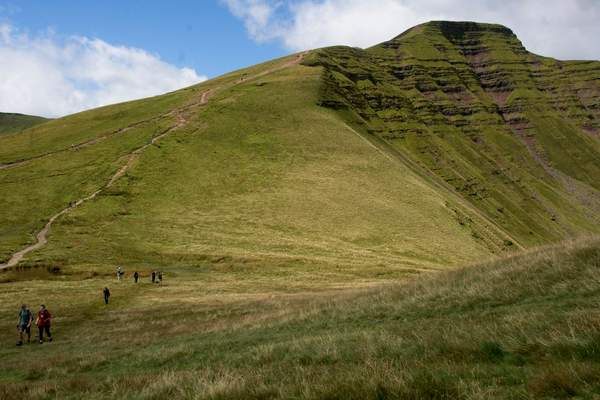
Your first walking holiday does not need to involve a mountain summit, a huge backpack or six exhausting days on the trail. The best beginner hiking holidays in the UK combine memorable scenery with short, manageable walks, comfortable accommodation and enough flexibility to change plans when the weather turns.
Think of it as a holiday with walking at its heart, rather than a fitness test. Choose one base, try a different landscape each day and leave time for a café, a viewpoint or simply sitting beside a lake. That approach builds confidence far more effectively than tackling an ambitious route before you know what you enjoy.
What Makes a Hiking Holiday Beginner-Friendly?
Distance matters, but it is only part of the picture. A three-mile walk on a firm lakeside path can feel easier than a two-mile route with steep, muddy climbs. When comparing beginner walking breaks, check total ascent, terrain, route-finding difficulty and how easily you can return to your accommodation.
For a first hiking trip, consider starting with walks of roughly two to five miles, adjusted to your usual fitness and mobility. Choose routes with clear directions, daylight to spare and facilities nearby. You can gradually increase the challenge once you know how your feet, energy and confidence respond.
Easy UK Destinations Worth Planning a Break Around
Peak District: Dovedale and the White Peak
The limestone valleys of the White Peak offer beautiful countryside without requiring a major hill ascent. From Dovedale car park, the riverside approach to the famous stepping stones is approximately 640 metres each way. It makes a satisfying introduction to walking among dramatic scenery, with the option to turn back whenever you choose. Paths can become slippery and the stones may be unusable after heavy rain.
Lake District: Tarn Hows Near Coniston
You can enjoy classic Lake District views without climbing a fell. The National Trust’s circular walk around Tarn Hows is approximately two miles, or 3.2 kilometres, and is graded easy. Its gravel path passes woodland and water, although there are still gentle climbs and descents.
A Coniston-area base lets you pair the walk with a quieter afternoon exploring the lakeside. The Lake District National Park also publishes Miles without Stiles routes, useful for finding gentler options and reviewing individual access conditions before setting off.
South Downs: Cuckmere Valley and Seven Sisters
For sea air and open views, try the easy-access trail through Seven Sisters Country Park in East Sussex. Following the Cuckmere valley towards the shingle beach gives you a walk of roughly 2.6 miles return, without committing to the steep ascents along the cliff-top route. Base yourself in Seaford or Eastbourne, and stay away from cliff edges if exploring nearby.
Eryri, North Wales: Rhaeadr Fawr
Eryri is famous for big mountain days, but reaching a summit is not the only way to experience it. The national park grades the walk to Rhaeadr Fawr, also called Aber Falls, as easy. The out-and-back route is about 4.5 kilometres, with waterfall views as the reward.
There is a steady climb and some uneven ground near the falls, so check the route description carefully. Staying near the northern edge of the park offers a scenic introduction to Welsh landscapes without making Yr Wyddfa your first challenge.
Cairngorms: Loch Morlich’s Forest Trails
Scotland can feel intimidating to new hikers, yet the pinewoods around Loch Morlich provide approachable alternatives to remote mountain routes. Forestry and Land Scotland lists the Beach Trail as an easy 2.4-kilometre walk taking around an hour, mostly on smooth gravel with some short slopes. Aviemore makes a convenient base; check current trail notices before travelling because forest operations can affect access.
How to Plan Your First Two-Night Walking Break
One useful formula is a short arrival-day stroll, a main walking day and a flexible final morning. For example, book two nights near Coniston, make Tarn Hows your main walk, then choose an easier lakeside outing or indoor attraction depending on the forecast.
Book accommodation close to several route options rather than committing to one long trail. Check whether you need a car, where buses stop and whether the last service fits your return time. Guided group walks can be reassuring, but self-guided easy hiking holidays in the UK work well when routes are clearly mapped and your plans remain adaptable.
Before booking, compare the total cost of accommodation, transport, parking and meals. Beginner walking breaks do not require expensive multi-day packages; a simple guesthouse and carefully chosen day walks can deliver just as much enjoyment.
What to Pack Without Overcomplicating It
Comfortable footwear with enough grip matters more than buying specialist equipment for every eventuality. Try shoes on local walks before travelling. Pack a waterproof outer layer, warm spare clothing, water, snacks, a charged phone and any medication you need.
Carry an offline map or downloaded route, plus a suitable paper map and the ability to use it where navigation might be uncertain. A compact daypack leaves your hands free. Our beginner hiking packing checklist and guide to reading UK walking maps are useful next steps when preparing for longer outings.
Walk Safely and Leave Room to Change Plans
Check a reliable local forecast shortly before leaving, note sunset time and tell someone your intended route. Start early enough to finish comfortably in daylight. Watch for livestock, respect signs and gates, and follow the Countryside Code by taking litter home and keeping dogs under effective control.
Never assume that an ‘easy’ grading guarantees a dry, level or accessible path. Rain, wind, flooded crossings and poor visibility can change the experience considerably. If conditions deteriorate, turning around is a sensible decision, not a failed holiday. As your confidence grows, explore our guide to choosing your next UK hiking route.
Frequently Asked Questions
Where is the best place in the UK for a first hiking holiday?
The Peak District, South Downs and Lake District are strong starting points because they offer short scenic routes alongside more demanding trails. Choose the destination with the simplest travel arrangements and terrain suited to you.
Do I need to be fit for a beginner walking holiday?
You do not need mountain-level fitness. Being comfortable with regular local walks is a helpful starting point. Start with shorter routes, allow breaks and build distances gradually.
Are guided walking holidays better for beginners?
Guided trips offer company and help with route decisions, while self-guided holidays allow more freedom. Check the advertised daily distances, ascent and pace rather than relying solely on the word ‘beginner’.
What time of year should beginners go hiking in the UK?
Late spring to early autumn often provides longer daylight hours, but conditions vary across regions and elevations. Avoid exposed mountain terrain during severe weather and always prepare for rain, even in summer.
Start Small, Then Follow Your Curiosity
The most rewarding walking holidays for beginners are often the least complicated. Pick one welcoming base, choose two realistic routes and make enjoyment your measure of success. Once you have discovered the pleasure of following a path through woodland, beside a tarn or along a peaceful valley, more adventurous trips will feel like a natural next step.