
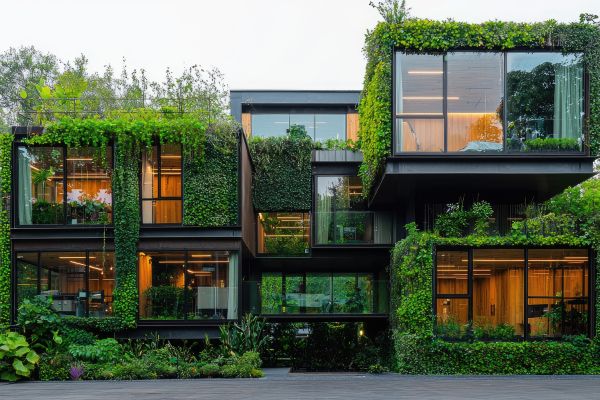
The idea of travel has been changing quietly but decisively. More travelers are asking not just where they’re going, but how their stay affects the place they’re visiting. That shift has given rise to the best green hotels—properties that treat sustainability as a foundation rather than a decorative label. These hotels don’t ask guests to sacrifice comfort or character. Instead, they show how thoughtful design, responsible operations, and respect for local ecosystems can elevate the travel experience.
Green hotels are no longer niche or experimental. They range from small countryside retreats to urban landmarks, united by a shared commitment to minimizing harm while maximizing meaning. Staying in one often feels less like opting into a trend and more like stepping into a more considered way of seeing the world.
What Defines a Truly Green Hotel
Not every hotel that reuses towels qualifies as sustainable. The best green hotels take a deeper, more holistic approach. Sustainability shows up in how the building was constructed, how energy is generated, where food is sourced, and how waste is managed. Many rely on renewable energy systems, such as solar or geothermal power, and use smart design to reduce heating and cooling demands naturally.
Water conservation is another cornerstone. Rainwater harvesting, low-flow fixtures, and thoughtful landscaping can dramatically reduce consumption without guests ever noticing a difference. Waste reduction goes beyond recycling bins in the hallway and often includes composting, refillable amenities, and a near-elimination of single-use plastics.
What sets the best green hotels apart, though, is intention. Sustainability isn’t a marketing angle; it’s embedded in daily decisions, from laundry schedules to partnerships with local farmers and artisans.
Sustainability That Enhances the Guest Experience
One common misconception is that eco-friendly hotels feel austere or restrictive. In reality, many travelers find the opposite to be true. Natural materials, abundant daylight, and quiet, energy-efficient systems often make green hotels feel calmer and more comfortable than conventional properties.
Rooms tend to emphasize air quality and natural textures, which can be surprisingly restorative after long days of travel. Dining experiences often highlight seasonal ingredients and regional flavors, connecting guests more directly to the place they’re visiting. Even small touches, like thoughtfully curated welcome notes explaining sustainability efforts, can deepen a guest’s sense of participation rather than obligation.
The best green hotels don’t lecture guests. They invite them into a slower, more mindful rhythm that feels intuitive rather than enforced.
Responsible Travel Without the Guilt
One of the reasons green hotels are gaining popularity is that they remove the emotional friction from sustainable travel. Guests don’t have to constantly question whether their comfort comes at someone else’s expense. Ethical labor practices, fair wages, and community investment are often part of the sustainability equation, even if they’re less visible than solar panels on the roof.
This approach allows travelers to enjoy their stay fully, knowing that their presence contributes positively rather than extractively. In many cases, green hotels actively support conservation projects, cultural preservation, or local education initiatives, creating a ripple effect that extends well beyond the property itself.
Travel becomes less about consumption and more about participation, which can subtly change how people relate to destinations as a whole.
Urban Green Hotels and the Challenge of Cities
Sustainability in dense urban environments comes with unique challenges, yet some of the best green hotels are found in the heart of major cities. Limited space, high energy demands, and constant foot traffic require creative solutions. Green roofs, energy-efficient retrofits, and advanced water recycling systems are often part of the answer.
Urban green hotels also play a role in reshaping city travel culture. By prioritizing public transport access, walkable neighborhoods, and partnerships with local businesses, they encourage guests to explore cities more responsibly. Even small shifts, like providing bikes or eliminating unnecessary daily housekeeping, can have a significant cumulative impact.
In cities where tourism pressure is intense, these hotels offer a model for coexistence rather than dominance.
Nature-Centered Stays That Protect What They Showcase
In rural and remote settings, the relationship between green hotels and their environment becomes even more visible. The best green hotels in natural areas are designed to blend into their surroundings rather than overpower them. Architecture often follows the contours of the land, and building materials are chosen for low environmental impact and durability.
These hotels tend to limit capacity intentionally, preserving the sense of space and reducing strain on local ecosystems. Activities are curated with conservation in mind, favoring guided walks, wildlife observation, and cultural experiences over high-impact развлечments.
For travelers, staying in such places often brings a deeper appreciation for the landscapes they came to see. Sustainability becomes tangible, not abstract.
Certifications, Transparency, and Trust
With sustainability claims everywhere, transparency matters. Many of the best green hotels pursue independent certifications that require rigorous audits and ongoing improvement. While labels alone don’t tell the whole story, they can signal a willingness to be held accountable.
Equally important is how hotels communicate their efforts. Honest explanations of what they’re doing well—and where they’re still learning—tend to resonate more than grand declarations. Guests increasingly value openness over perfection, understanding that sustainability is an evolving process rather than a fixed endpoint.
Trust grows when hotels treat guests as partners in that process, not passive consumers.
How Green Hotels Influence the Future of Travel
The rise of green hotels reflects a broader shift in traveler expectations. Comfort and aesthetics still matter, but they’re no longer enough on their own. People want to know that the places they stay align with their values, or at least don’t contradict them.
As demand grows, sustainable practices that once seemed optional are becoming standard. Energy efficiency, waste reduction, and community engagement are increasingly viewed as markers of quality rather than compromise. The best green hotels are quietly setting benchmarks that the wider industry can’t ignore.
Over time, this influence may be their most significant contribution—not just offering responsible stays, but reshaping what good hospitality looks like.
Choosing the Best Green Hotels for Your Trip
Finding a truly green hotel requires a bit of curiosity. Reading beyond surface-level claims, looking for specific practices, and paying attention to how sustainability is woven into the overall experience can make a difference. Reviews often reveal whether eco-friendly efforts feel genuine or performative.
It’s also worth remembering that sustainability exists on a spectrum. No hotel is perfect, and smaller steps still matter. Choosing a property that’s clearly trying, learning, and improving is often more impactful than searching for an ideal that may not exist.
In the end, staying at a green hotel is less about checking a box and more about participating in a more thoughtful way of traveling.
A Reflective Way to Travel Forward
The best green hotels offer something quietly powerful. They show that responsibility doesn’t have to feel restrictive and that care for the planet can enhance, rather than diminish, the pleasure of travel. By aligning comfort with conscience, they invite guests to imagine a different relationship with the places they visit.
As travel continues to evolve, these hotels stand as proof that progress doesn’t always announce itself loudly. Sometimes, it’s felt in the quality of sleep, the taste of a locally grown meal, or the simple ease of knowing your stay leaves a lighter footprint behind.