
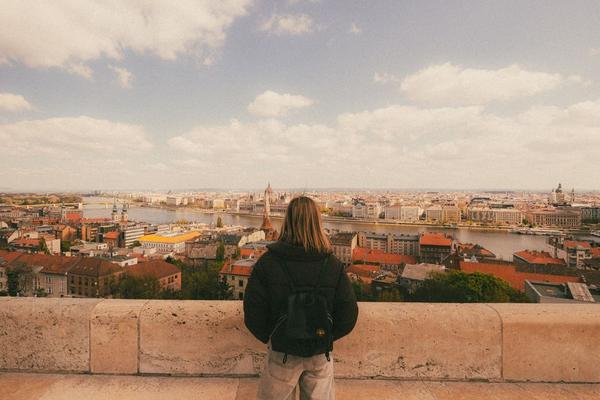
Travelling Europe alone can be wonderfully flexible, but the maths is different when there is nobody to split a hotel room, taxi, rental car or grocery bill with. The best approach to budget solo travel in Europe is therefore not simply choosing the cheapest destinations. It is building a trip around costs that work well for one person.
Start with the costs solo travellers cannot split
Accommodation usually has the biggest effect. A double room may look reasonable for two people but expensive for one, while hostel dorm beds, guesthouses and small single rooms are priced more naturally for solo travellers.
Transport needs the same treatment. A taxi divided between four people can compete with public transport; alone, it rarely does. Rental cars also bring fuel, tolls, parking and insurance costs that land on one person. For solo backpacking in Europe, trains, coaches, metros and walking often make more financial sense on city-based itineraries.
Choose a route that reduces expensive travel days
A common budget mistake is changing cities every day or two. Each move can create a new booking fee, station transfer, luggage-storage charge or expensive meal bought in transit.
For example, instead of flying between four distant capitals in eight days, a solo traveller could build a compact route such as Prague, Vienna and Budapest. The cheapest option changes by date, so compare trains, coaches and flights for your actual travel days.
A natural next planning step is our guide to how to plan a multi-city Europe itinerary, followed by best affordable European cities for travellers if you want to keep the route cost-conscious.
Book accommodation for value, not just the lowest bed price
Hostels remain one of the most useful tools for cheap solo travel in Europe because you pay for one bed instead of an entire room. Yet the lowest dorm price is not always the best deal.
Look for secure lockers, good public-transport access, a usable kitchen and recent reviews that mention noise and cleanliness. Private rooms can also make sense occasionally, particularly before an early departure.
Compare the full cost of trains, buses and flights
Europe has many transport operators, and no single booking method is cheapest for every journey. Compare the door-to-door cost. A budget flight may require a paid airport bus and strict baggage limits, while a train often arrives closer to the centre.
For rail travel, check whether a journey needs a separate seat reservation, especially on high-speed or overnight services. If you are considering a rail pass, compare its price with point-to-point tickets for the journeys you expect to take. Passes can offer flexibility, but they are not automatically the cheapest choice.
Keep food spending flexible
Food is one of the easiest categories to adjust day by day. A simple pattern works well: buy breakfast or picnic ingredients from a supermarket, choose one enjoyable local meal, and carry snacks or water so hunger does not push you into expensive tourist areas.
Markets, bakeries, lunch specials and casual local restaurants can create a better balance between saving money and experiencing the destination.
Plan free activities first, then pay for what matters
Many European cities reward walking. Historic districts, riverfronts, parks, markets, viewpoints and neighbourhoods can fill much of a day without an admission ticket.
Then spend deliberately on the attractions you genuinely care about. Instead of buying several tickets because they appear on a “must-see” list, choose the museum, historic site, performance or day trip that would make the visit memorable.
Do not cut the safety-related parts of the budget
Solo travellers have less backup when something goes wrong, so some savings are false economies. Keep enough money for a safe ride if public transport stops running, secure luggage storage when needed, and accommodation with reliable reviews and sensible access.
Visa and entry rules also depend on your nationality and destination. For many short-stay visitors to the Schengen area, the general limit is 90 days in any 180-day period, but you should verify the rules that apply to your own passport before booking.
Mobile costs deserve similar attention. EU “roam like at home” rules help customers with qualifying EU mobile plans when travelling within covered countries, but visitors arriving with a non-EU SIM should not assume those rules apply to them. Check roaming charges, local SIM options or eSIM data before departure.
Build a daily budget with a solo-travel buffer
Instead of copying someone else’s “Europe for X euros a day” figure, divide your plan into accommodation, intercity transport, local transport, food, attractions and a contingency amount.
Reserve major accommodation and transport first, calculate their true average daily cost, then decide what remains for food and activities. Add a buffer for the expenses that are harder to share alone. Our guide to how to create a realistic travel budget can help you turn those figures into a workable daily plan.
FAQ
How much should I budget for solo travel in Europe?
There is no reliable Europe-wide daily figure. Your budget depends on destinations, season, accommodation style and how often you move. Build it from current prices for your actual route rather than relying on a generic average.
Are hostels always the cheapest option for solo travellers?
No. Dorm beds are often economical, but guesthouses, university accommodation, simple hotels or private hostel rooms can compete on some dates. Compare the final price and location, not just the advertised nightly rate.
Is a rail pass worth it for solo backpacking in Europe?
It can be, particularly when flexibility matters, but it is not automatically cheaper. Compare the pass plus any required reservations with advance point-to-point fares for the journeys you are likely to make.
How can I keep an affordable solo trip enjoyable?
Save most aggressively on costs that do not matter to you and protect spending for experiences that do. Walking, public transport and simple breakfasts can offset the cost of a museum, local food experience or day trip you genuinely value.
Travel more slowly, spend more deliberately
The smartest solo budget recognises where travelling alone costs more and compensates elsewhere. Choose accommodation priced sensibly for one person, reduce unnecessary travel days, compare full transport costs, use food spending flexibly and keep a safety buffer. That approach makes affordable solo trips across Europe easier to sustain without turning the journey into a constant exercise in saying no.