
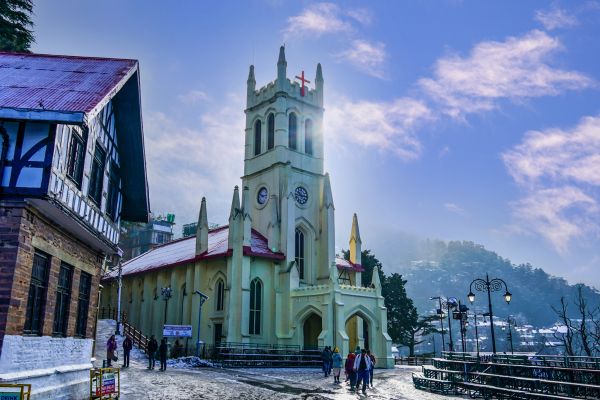
Travel can mean many things. For some people, it is rest. For others, it is adventure, food, scenery, or escape. But there is another kind of journey that stays with you differently: travel that connects you to the past. Walking through ancient streets, standing inside centuries-old temples, or touching stones shaped by vanished civilizations creates a feeling modern attractions rarely match.
That is the lasting appeal of historical travel destinations. These places offer more than landmarks. They reveal how people lived, believed, built, traded, fought, created art, and imagined the world long before us. History becomes less abstract when it surrounds you physically.
The best historical destinations do not simply display the past behind glass. They allow you to step into it.
Why Historical Travel Feels Different
A beach may relax you. A city skyline may impress you. But historical places often create reflection.
You begin to notice scale. How did ancient builders move these stones? How did traders cross these seas? What did daily life sound like here hundreds of years ago? Even ruins can feel strangely alive when imagination fills the gaps.
Travel becomes richer when it includes context. You are not only seeing somewhere new. You are understanding how the present was shaped.
Rome, Italy
Few cities blend everyday life and ancient history as naturally as Rome. In one afternoon, visitors may pass Roman ruins, Renaissance fountains, Baroque churches, and busy modern streets.
The Colosseum remains iconic, but the deeper charm of Rome often lies in wandering. Hidden courtyards, old stones embedded in walls, and piazzas layered with centuries of change make the city feel like an open-air archive.
Among all historical travel destinations, Rome offers scale, beauty, and continuity in rare combination.
Athens, Greece
Athens carries the weight of philosophy, democracy, drama, and classical architecture. The Acropolis of Athens rises above the city as both monument and symbol.
Yet Athens is not frozen in time. It is lively, textured, and modern. Cafés sit near archaeological sites. Street art appears beside ancient stone. That contrast gives the city energy.
History here feels foundational rather than distant.
Cairo and Giza, Egypt
Standing near the Great Pyramid of Giza can be surprisingly emotional. Photographs rarely prepare visitors for the scale, precision, and age of the site.
Cairo itself offers layers of Islamic architecture, markets, museums, and urban life that reflect thousands of years of movement and exchange.
Egypt reminds travelers that some civilizations still shape global imagination millennia later.
Kyoto, Japan
Not all historical travel is about ruins. Kyoto preserves cultural continuity through temples, shrines, gardens, wooden streetscapes, tea traditions, and seasonal rituals.
Walking through older districts at dawn can feel quietly transporting. The past appears through atmosphere as much as architecture.
Kyoto shows that heritage can remain graceful, lived-in, and present.
Istanbul, Turkey
Few cities represent crossroads as vividly as Istanbul. Empires met here. Continents meet here still.
The Hagia Sophia alone tells multiple historical stories through its changing roles across centuries. Nearby mosques, markets, cisterns, and neighborhoods continue the sense of layered identity.
For travelers interested in trade routes, religion, architecture, and empire, Istanbul is endlessly rewarding.
Cusco and Machu Picchu, Peru
Cusco mixes Inca foundations with colonial overlays, making history visible in the very walls. From there, many travelers continue to Machu Picchu.
Its mountain setting adds drama, but the true wonder lies in engineering, planning, and endurance. The site still inspires questions as much as answers.
Some historical places feel powerful because they remain partially mysterious.
Petra, Jordan
Approaching Petra through the narrow Siq and then seeing carved stone emerge is one of travel’s great theatrical moments.
Built by the Nabataeans and shaped by trade networks, Petra is more than its famous façade. Tombs, pathways, water systems, and desert landscapes reveal sophisticated adaptation.
It is a reminder that ancient innovation often flourished in harsh environments.
Jerusalem
Jerusalem carries extraordinary religious and historical significance for multiple faiths. Its old city contains sacred sites, contested narratives, and emotional intensity unlike almost anywhere else.
Whatever one’s beliefs, the concentration of history is undeniable. Stones, streets, and shrines hold meanings accumulated over centuries.
Some destinations invite admiration. Others demand contemplation.
Fez, Morocco
Fez offers a different historical experience: living urban continuity. Its medina feels intricate, sensory, and deeply rooted in craft traditions.
Markets, courtyards, schools, workshops, and winding lanes create the sense that history here is not staged for visitors. It continues through daily life.
That authenticity can be more memorable than monumental ruins.
Cartagena, Colombia
For colonial-era history and maritime heritage, Cartagena stands out. Fortified walls, colorful streets, balconies, and plazas speak to centuries of trade, conflict, and cultural exchange.
The city also illustrates a broader truth: history is not only ancient. More recent centuries shaped the modern world profoundly, and their traces remain visible.
Why These Places Stay With Us
The most meaningful historical travel destinations do more than teach facts. They create perspective.
You realize civilizations rise and fall. Styles change. Borders shift. Beliefs evolve. Yet human desires—for beauty, security, belonging, legacy, and meaning—remain familiar.
That recognition can be unexpectedly moving.
How to Experience Historical Sites Well
Slow down. Read before visiting. Hire thoughtful guides when possible. Arrive early. Notice ordinary details, not just famous highlights.
Look at doors, roads, drainage systems, inscriptions, street patterns, and materials. Ask how people lived, not only who ruled.
Respect matters too. Many historic places are sacred, fragile, or deeply significant to local communities.
The Tension Between Tourism and Preservation
Popularity can endanger heritage. Crowding, pollution, careless behavior, and overdevelopment may damage the very places people travel to admire.
Responsible tourism matters. Supporting conservation efforts, following site rules, and traveling thoughtfully help preserve history for future visitors.
The past cannot be replaced once lost.
Conclusion
The finest historical travel destinations offer more than photographs. They give texture to human memory. Whether in the ruins of Rome, the temples of Kyoto, the stones of Petra, or the heights of Machu Picchu, travelers encounter stories far larger than themselves.
In a fast-moving world, places that have endured for centuries offer something rare: perspective. And sometimes that is the most valuable souvenir of all.