
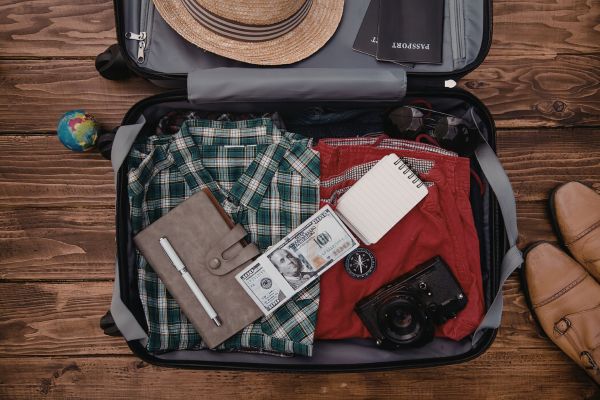
There is a certain kind of chaos that seems to appear the moment a suitcase opens halfway through a trip. Shirts end up mixed with chargers, socks disappear into corners, and suddenly finding one clean outfit feels like a scavenger hunt. Most travelers have experienced that moment at least once, whether during a rushed airport layover or while unpacking in a tiny hotel room after a long flight.
That is part of the reason packing cubes for travel have become so popular over the last few years. What once looked like a simple organizational accessory has quietly turned into a favorite tool for travelers who want less stress and more order while moving from one place to another.
Packing cubes may seem small and uncomplicated, but they can completely change how a suitcase functions. Instead of treating luggage like one large storage space, travelers can divide clothing and essentials into smaller, manageable sections. The result often feels less like digging through a messy bag and more like opening organized drawers.
For frequent travelers especially, that small shift can make a surprisingly big difference.
Why Packing Cubes Became a Travel Essential
Travel habits have changed significantly in recent years. Many people now prefer carry-on luggage to avoid baggage fees, reduce waiting times, and move more easily through airports. At the same time, travelers are trying to pack smarter rather than simply packing more.
That shift naturally increased interest in organization tools.
Packing cubes for travel help maximize space while keeping belongings separated and easy to access. Travelers can dedicate individual cubes to shirts, undergarments, workout clothes, electronics, or even laundry. Instead of unpacking an entire suitcase to find one item, everything stays grouped together in a predictable way.
There is also a psychological benefit to organized luggage. Traveling can already feel overwhelming, especially during long flights, busy itineraries, or unfamiliar environments. Having a suitcase that feels orderly creates a small sense of control amid the unpredictability of travel itself.
For some people, packing cubes quickly become one of those items they never expected to care about until they traveled without them again.
Different Types of Packing Cubes for Travel
Not all packing cubes work the same way, and travelers often discover different preferences depending on the type of trip they take.
Standard packing cubes are the most common option. These lightweight zippered organizers help separate clothing categories while keeping items compressed enough to save space. They are especially useful for weekend trips or short vacations where simple organization matters most.
Compression cubes go a step further by reducing bulk. A second zipper compresses the contents after packing, which helps travelers fit more into carry-on luggage. Bulky items like sweaters or jackets become easier to manage this way, though overpacking can still become a temptation.
Some travelers prefer mesh-top cubes because they allow visibility and airflow. Others choose waterproof or water-resistant versions designed for outdoor adventures or beach vacations where damp clothing might become an issue.
There are even specialized cubes for shoes, toiletries, electronics, or dirty laundry. While not every traveler needs every type, many people eventually develop their own packing system based on experience and routine.
Carry-On Travelers Benefit the Most
People who travel with only a carry-on bag often appreciate packing cubes more than anyone else.
Limited luggage space forces travelers to become strategic about organization. Every inch matters. Without some structure, clothing shifts constantly during transit, making bags feel cluttered faster than expected.
Packing cubes for travel create clear divisions within smaller luggage compartments. Rolled clothing stays compact, and outfit planning becomes easier because items remain grouped together rather than scattered throughout the suitcase.
Frequent flyers often describe packing cubes as making their bags feel larger even when the actual dimensions stay the same. That perception comes from improved accessibility rather than added space. A neatly packed bag simply functions more efficiently.
Airport security checks also become less frustrating when belongings remain organized. Instead of digging through loose clothing to find chargers or travel documents, travelers can quickly identify where everything is located.
Packing Cubes Can Reduce Overpacking
One unexpected benefit of packing cubes is that they encourage more thoughtful packing habits.
Suitcases without structure often invite unnecessary items. Travelers toss in extra shirts, backup shoes, or clothing they never realistically plan to wear. The empty spaces create the illusion that more packing is reasonable.
Packing cubes naturally impose limits. Once a cube fills up, travelers become more selective about what truly belongs inside.
That does not necessarily mean packing less overall, but it often means packing more intentionally. Travelers start thinking in categories and outfits rather than random individual items.
Many experienced travelers eventually realize they wear only a portion of what they pack anyway. Packing cubes make that reality easier to recognize because everything feels more visible and deliberate from the beginning.
Organization Matters During Longer Trips
The longer the trip, the more valuable organization becomes.
Weekend travel is usually manageable even with minimal structure, but multi-week trips create different challenges. Clothing rotates constantly, laundry accumulates, and hotel unpacking becomes repetitive. Without organization, suitcases can deteriorate into complete disorder surprisingly quickly.
Packing cubes for travel help maintain consistency throughout extended journeys. Clean clothes remain separated from worn items. Seasonal layers stay accessible without disturbing everything else. Travelers moving between cities can repack more quickly and with less frustration.
This becomes especially helpful during international travel where accommodations change frequently. Constantly repacking loose clothing can become exhausting after several destinations.
For digital nomads, business travelers, or backpackers, efficient packing systems often evolve from convenience into necessity.
Minimalist Travelers Popularized the Trend
The rise of minimalist travel culture played a major role in making packing cubes mainstream.
Social media, travel blogs, and online travel communities frequently highlight streamlined packing systems built around efficiency and mobility. Travelers increasingly value flexibility over excess luggage.
Packing cubes fit naturally into that mindset.
Instead of packing for every possible scenario, minimalist travelers focus on versatility and organization. A smaller wardrobe becomes easier to manage when clothing remains neatly arranged and accessible.
The visual appeal of organized luggage also contributed to the popularity. There is something undeniably satisfying about neatly compressed clothing sections lining a suitcase. Travelers often discover that organization reduces not only physical clutter but mental clutter as well.
That sense of simplicity appeals even to people who would not normally describe themselves as minimalist.
Choosing the Right Packing Cubes
Finding the right packing cubes for travel often depends on travel style more than brand names or trends.
Frequent international travelers may prioritize durability because their luggage experiences constant handling and movement. Lightweight backpackers often care most about weight and flexibility. Families may prefer larger sets that allow each person to organize belongings separately within shared luggage.
Material quality matters more than many travelers initially expect. Weak zippers or thin stitching can become frustrating during repeated trips. Breathable fabrics help reduce odors during longer travel days, especially when clothing cannot be unpacked immediately.
Size variety also makes a difference. Sets with multiple cube sizes tend to work better because travelers rarely pack identical categories of items.
Some people prefer structured cubes that hold shape firmly, while others like softer materials that fit more easily into irregular luggage spaces.
There is no single perfect system, which is part of why experienced travelers often adjust their approach over time.
Packing Habits Are Becoming More Intentional
Travel itself has become more intentional in recent years. People are paying closer attention to how they move, what they carry, and how they reduce stress during trips.
Packing cubes fit into that broader shift toward practical efficiency.
They do not magically solve every travel problem, of course. Airports remain crowded, flights still get delayed, and suitcases can only hold so much. But small improvements to organization often create smoother travel experiences overall.
Interestingly, packing cubes also encourage travelers to become more familiar with their belongings. Instead of throwing everything into a bag at the last minute, packing becomes slightly more deliberate and methodical.
That process can make travel preparation feel calmer rather than rushed.
The Future of Travel Organization
As travel continues evolving, organization tools will likely become even more integrated into luggage design itself.
Some modern suitcases already include built-in compartments inspired by packing cube systems. Sustainable materials are also becoming more common as travelers pay greater attention to environmental impact. Lightweight recycled fabrics and durable reusable organizers reflect broader shifts toward more conscious travel habits.
At the same time, the appeal of packing cubes remains refreshingly simple.
They are not driven by flashy technology or complicated systems. Their value comes from solving an ordinary but persistent travel problem in a practical way.
In an era where many products promise dramatic transformation, packing cubes succeed through something much quieter: making travel feel slightly easier and more manageable.
Conclusion
Packing cubes for travel may seem like a small addition to a suitcase, but their impact often becomes clear after just one trip. By creating structure inside luggage, they help travelers stay organized, reduce stress, and move through trips with a little more ease.
Their growing popularity reflects broader changes in how people travel today. Efficiency, flexibility, and simplicity matter more than ever, especially for travelers trying to navigate busy airports, limited luggage space, and fast-moving itineraries.
While packing cubes will not eliminate every travel frustration, they do solve one of the most common ones: the chaos that comes from living out of a suitcase. Sometimes the smallest travel habits end up making the biggest difference over time.
And for many travelers, once packing cubes become part of the routine, it becomes surprisingly difficult to imagine traveling without them.