
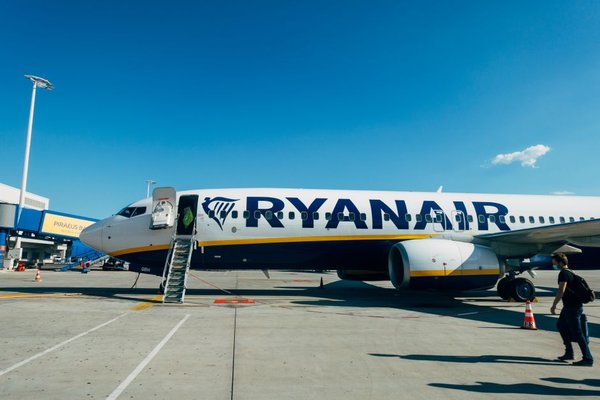
Budget airlines love to advertise flights for the price of a coffee, and then quietly claw that money back through baggage fees, seat selection charges and a dozen other add-ons before you even reach the gate. If you’ve ever booked a “£19.99” fare and ended up paying £90, you already know the trick. This isn’t a guide to finding cheap flights — it’s a guide to keeping them cheap once you’ve booked, by understanding exactly how carriers like Ryanair and easyJet structure their fees and how to work around them.
Why Budget Airline Pricing Works Against You
Low cost carriers operate on what’s called “unbundled pricing.” The seat is the product; everything else — bags, seats, priority boarding, even printing your boarding pass at the airport — is sold separately. This model isn’t accidental. Airlines know most travellers don’t read the fare rules carefully, and the extras often end up costing more than the flight itself. Understanding this structure is the first real budget airline hack, because once you know the game, you can stop overpaying at every step.
Ryanair Tips: Getting the Most Out of the Lowest Fare
Book the Right Fare Type From the Start
Ryanair offers several fare tiers, and the cheapest one strips out almost everything, including your seat assignment and any hold luggage. Before adding extras individually at checkout, compare the total cost against a bundled fare like “Regular” or “Plus.” If you need a checked bag and a seat, the bundle is often cheaper than paying for each separately.
Check In Online — Every Single Time
One of the most overlooked Ryanair tips is simply checking in online within the correct window, usually 48 hours to 2 hours before departure. Miss this and you’ll be charged a hefty airport check-in fee, sometimes over £50, just to get a boarding pass reissued at the desk.
Master the Cabin Bag Rules
Ryanair’s small personal bag allowance is genuinely small — think a compact backpack that fits under the seat in front. If your bag doesn’t meet the sizer at the gate, you’ll be charged there, and it’s rarely cheap. Investing in a bag specifically designed to Ryanair’s dimensions pays for itself on the first trip.
easyJet Baggage Rules and How to Avoid Surprise Charges
easyJet’s baggage rules work a little differently to Ryanair’s, which trips up a lot of people who assume all budget carriers are the same. The free cabin bag allowance is generally larger than Ryanair’s, but it still has to fit in the designated sizer, and oversized bags get redirected to the hold with a fee attached at the gate.
If you’re travelling with more than a small backpack, it’s almost always cheaper to prebook a cabin bag or hold luggage allowance online in advance rather than pay at the airport. easyJet’s airport add-on prices are deliberately steep to encourage exactly that behaviour. Also worth noting: easyJet’s “Up Front” and “Extra Legroom” seats are optional, so if legroom doesn’t matter to you, skip them entirely and let the system auto-assign a seat for free.
Understanding Low Cost Airline Fees Before You Book
Beyond baggage, low cost airline fees show up in places many travellers don’t expect:
Payment surcharges: Some carriers charge more for certain card types. Using a standard debit card, where offered as the default option, usually avoids this.
Priority boarding: Often bundled with a “free” second cabin bag on Ryanair. If you only want the extra bag allowance, check whether it’s cheaper standalone.
Seat selection: Random seat assignment is free on most budget airlines. Paying to choose a seat is purely a convenience fee, not a necessity, unless you’re travelling with children and need to sit together.
Airport check-in and printing: Always avoidable with the airline’s mobile app or a home-printed boarding pass.
Reading the fare conditions before booking, rather than after, is the single biggest factor separating a genuinely cheap flight from one that balloons in cost at checkout.
Cheap Flight Booking Tips That Actually Move the Needle
Fly on the Right Days
Tuesdays, Wednesdays and Saturdays tend to have lower demand on most European short-haul routes, which often translates into lower base fares. Avoid Friday evenings and Sunday afternoons if your dates are flexible.
Use Incognito Browsing and Compare Direct
Whether or not prices genuinely rise from repeated searches, booking directly through the airline’s own site — rather than a third-party aggregator — makes it far easier to manage baggage, seating and check-in from one account, avoiding extra service fees layered on by resellers.
Set Fare Alerts Instead of Checking Manually
Budget carriers release seats in pricing tiers, and fares climb as each tier sells out. Setting an alert for your route means you catch the lowest tier rather than hunting for it manually every few days.
Travel With Carry-On Only When Possible
This remains one of the most effective cheap flight booking tips simply because checked baggage is one of the largest add-on costs across nearly every low cost carrier. Packing light isn’t just about convenience — it’s a direct way to keep your total fare close to the advertised price.
A Quick Pre-Booking Checklist
Before you hit “confirm,” run through this:
Have you checked whether a bundled fare beats add-ons purchased separately? Does your cabin bag actually meet the airline’s specific dimensions? Have you checked in online and downloaded your boarding pass? Are you paying for a seat you don’t actually need? A two-minute check here can easily save £30–£60 per trip.
Frequently Asked Questions
What is the cheapest way to avoid baggage fees on budget airlines?
Stick to the airline’s free personal item allowance and use a bag that matches their exact size limits. If you need more than that, prebook baggage online well in advance, since airport prices are always significantly higher.
Do Ryanair and easyJet have the same baggage rules?
No. While both offer a free small personal bag, their size limits and pricing structures for additional luggage differ, so it’s worth checking the specific allowance for whichever airline you’re flying rather than assuming they match.
Is it cheaper to book budget flights directly or through a third-party site?
Booking directly with the airline is usually cheaper and easier to manage, since third-party sites often add their own service fees and can complicate baggage or seat changes later.
Can I avoid budget airline fees completely?
Not entirely — some charges, like fuel and administration costs, are built into the base fare. But optional fees for seats, priority boarding and extra bags can almost always be avoided with a bit of planning.
Final Thought
Budget airlines aren’t a trap if you understand how they’re priced. The fare you see is just the starting point; what you pay in the end depends entirely on how well you read the fine print. Master the baggage rules, book the right fare type, check in online, and skip the extras you don’t actually need — and a “budget” airline stays exactly that, all the way to landing.