
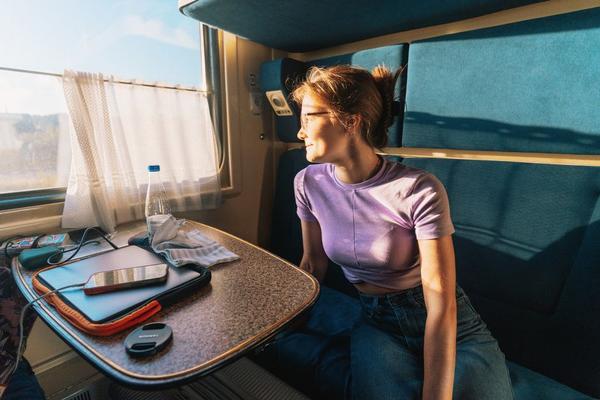
Travelling alone can be one of the most rewarding ways to see the world. Yet that freedom works best when supported by preparation. The most useful solo travel safety tips are simple habits that reduce avoidable risks while leaving room for spontaneity. Before departure, check the latest Foreign, Commonwealth & Development Office travel advice for every country on your itinerary, sign up for alerts and share a basic plan with someone you trust.
Research the destination beyond the highlights
Destination research should go further than attractions and restaurants. Look at neighbourhoods, transport options, common scams, local customs and areas visitors are advised to avoid. Check whether public transport runs late, how licensed taxis operate and whether arriving after dark would make your first journey unnecessarily difficult.
Good solo trip precautions include saving local emergency numbers, identifying the nearest British embassy, high commission or consulate, and keeping the address of your first accommodation in both English and the local language where useful. Download offline maps so a weak signal does not leave you stranded. Review official advice again shortly before departure, as security conditions, strikes, weather disruption and entry requirements can change.
Choose accommodation with safety in mind
Price and location matter, but safe accommodation tips should influence the booking just as strongly. Read recent reviews from solo guests and look for repeated comments about access control, staff availability, lighting and the surrounding streets. A cheap room can become poor value if reaching it requires an isolated walk every night.
Check how reception works if you arrive late and whether the property has secure locks, smoke alarms and clearly marked exits. Once inside, make sure windows, balconies and connecting doors can be secured. Avoid announcing your room number in public areas and do not allow an unfamiliar person to follow you through a controlled entrance.
Plan arrivals and transport carefully
The first hour in a new place often involves tiredness, luggage and unfamiliar surroundings, so plan it in advance. Whenever possible, arrive during daylight and know how you will travel from the airport, station or port. Use official taxi ranks, reputable ride-booking services or pre-arranged transfers, and check vehicle details before getting in.
During journeys, follow your route discreetly on an offline map. Sit where other passengers are present, keep bags closed and avoid placing your passport, wallet and phone together in one pocket. When walking, step into a café, hotel lobby or shop to check directions rather than standing in a quiet street with your phone out. Limit headphone use so you remain aware of traffic and people around you.
Protect your money, documents and devices
Do not rely on one bank card or payment method. Carry a backup card separately and keep a modest amount of emergency cash in a secure place. Confirm that you can still access money if your phone is lost and you cannot complete two-factor authentication.
Make secure digital copies of your passport, insurance policy, tickets and important contact details. Leave copies with a trusted person at home and carry an additional form of photo identification where appropriate. Protect your phone with a strong passcode, enable remote tracking and wiping, and carry a portable charger. Avoid sensitive accounts on unsecured public Wi-Fi.
Stay connected without sharing too much
Leave a simple itinerary with a friend or relative and agree how often you will check in. Include accommodation details, major transport bookings and the next destination. If plans change, send a quick update so silence does not cause unnecessary alarm.
Be selective about public posts. Sharing your exact location in real time can reveal that you are alone and show where you are staying. Delaying posts until you have left gives you more privacy. You can be friendly with new people without sharing your room number, full route or financial details. Keep key numbers on paper as well, including your insurer’s assistance line and a trusted contact.
Use awareness, not constant fear
Most solo trips are completed without serious problems. The aim is not to treat everyone as a threat, but to notice changes in your surroundings and act early. Stay within your limits around alcohol, never leave a drink unattended, and be cautious about accepting food, drinks or transport from people you have just met.
If something feels unusual, move towards staff or a busy public area. You do not owe politeness to someone who ignores your boundaries. A firm refusal, changed route or cancelled plan is preferable to staying in a situation that makes you uneasy. Different travellers may face different risks because of gender, disability, sexuality, ethnicity or local law, so adapt plans to your circumstances.
Arrange suitable solo travel insurance
Solo travel insurance should cover the full itinerary, trip length and every activity you genuinely plan to do. Declare existing medical conditions and ongoing investigations accurately, and check the rules for adventure sports, working, volunteering or long stays. Read exclusions rather than choosing only by price.
A UK Global Health Insurance Card may provide access to some state healthcare in eligible European destinations, but it does not replace travel insurance or cover every cost, including repatriation. Carry your policy number and the insurer’s emergency number, and share the details with someone at home. Travelling against FCDO advice may invalidate insurance.
Know what to do when something goes wrong
In an immediate emergency, contact the local emergency services first. For theft or assault, report the incident to local police and request written evidence for insurance. Contact your bank promptly if cards are lost, and cancel a missing passport before applying for an emergency travel document if necessary.
British nationals can contact the nearest British embassy, high commission or consulate, or the FCDO’s 24-hour consular service, for guidance in serious situations. Consular staff cannot replace travel insurance or local emergency services, but they may explain available support and local procedures.
Frequently asked questions
Is solo travel safe for first-time travellers?
It can be, provided the destination suits your experience and you prepare carefully. Start with a place that has reliable transport, well-reviewed accommodation and clear travel guidance. A shorter trip can build confidence before a complex itinerary.
What should I share with family before travelling alone?
Share your accommodation details, major transport bookings, insurance information and a rough itinerary. Agree on a realistic check-in schedule and tell them what to do if they cannot reach you.
Should I carry my passport everywhere?
That depends on local law and your plans. Where it is not required, many travellers keep the passport secured at their accommodation and carry another form of identification plus a copy. Check the destination rules first.
What is the most important solo travel safety habit?
Preparation and awareness work together. Research current advice, keep backup access to money and documents, stay connected with someone at home and leave situations that feel unsafe without worrying about appearing rude.
Travel confidently, with a plan
The best solo travel safety tips support confidence rather than limit it. Careful research, sensible accommodation, secure money arrangements, suitable insurance and regular contact create a practical safety net. Once those basics are in place, you can focus on what solo travel does best: experiencing a destination on your own terms.