
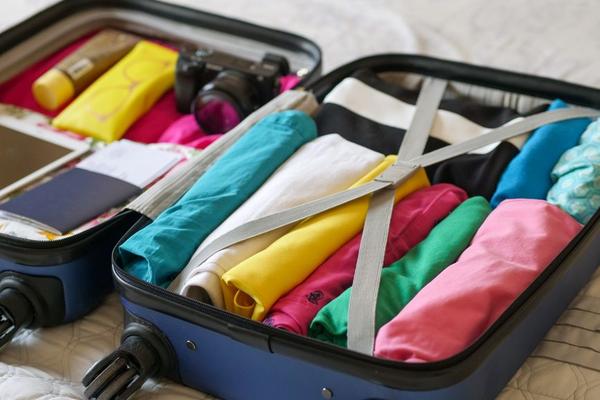
Packing for a trip feels different when you are travelling alone. There is no companion to carry the spare charger, lend you a jacket or watch your bags while you reorganise. A useful solo travel packing list therefore needs to cover the essentials while keeping your luggage manageable enough to move confidently on your own.
The goal is not to prepare for every possible situation. Pack for the trip you are actually taking, then leave a small margin for delays, weather changes and everyday inconvenience. The lighter and more deliberate your bag is, the easier airports, stations and accommodation changes become.
Start With Essential Travel Documents
Before clothes or toiletries, organise the items that can affect whether your journey happens at all. Keep your passport or other required identification, tickets, booking confirmations, payment cards and any required visas or permits together. Check official destination requirements before departure rather than relying on an old checklist.
Store secure digital copies of important documents somewhere you can access if your phone is lost. Keep emergency contact details separately as well. A small amount of local currency can be useful, but carrying all your spending money in cash usually creates more risk than convenience.
Choose Clothing Around Complete Outfits
Clothing is where most overpacking happens. Instead of choosing favourite pieces one by one, plan outfits using items that work together. Tops that match more than one pair of trousers, shorts or skirts are more useful than clothes that create only a single combination. Layers also let you adapt to changing temperatures without packing several bulky alternatives.
For a short trip, think in terms of enough underwear and socks between laundry opportunities, a few interchangeable tops, one or two bottoms, sleepwear, a weather-appropriate outer layer and footwear suited to your plans. If your accommodation has laundry facilities, you can reduce the amount of clothing further.
Use the “wear it twice” test
Before packing an item, ask whether you are likely to wear it at least twice unless it serves a specific one-off purpose. This quickly removes the “just in case” pieces that take up space but rarely leave the suitcase.
Limit Footwear to Pairs With a Clear Job
Shoes are bulky, so each pair should earn its place. Wear your bulkiest useful pair while travelling and pack only the extra pair you genuinely need. For many city trips, comfortable walking shoes and one lighter alternative are enough. Beach, hiking or business travel may require a different combination, but avoid packing shoes without a planned use.
For example, if your itinerary includes sightseeing, a train journey and one casual dinner, one comfortable walking pair may handle most of the trip. A lightweight second pair can be useful, while a third “maybe” pair is unlikely to justify the space.
Keep Toiletries Compact
Your toiletry bag should cover your normal routine without becoming a miniature bathroom cabinet. Bring small quantities of the products you actually use, along with a toothbrush, toothpaste, deodorant and essential grooming or personal hygiene items. Sunscreen or insect repellent may also be sensible depending on the destination and season.
Pack prescription medicines carefully, preferably in their original labelled packaging where practical, with enough supply for the trip and a reasonable buffer for delays. If you are taking medicines across borders, check official destination rules because restrictions can vary.
Build a Simple Tech Kit
For most travellers, a phone handles maps, bookings, communication and photography. Pack the correct charging cable, a suitable plug adapter if required and a power bank if long travel days may keep you away from sockets. Headphones are useful for flights and trains, but duplicate cables and unnecessary gadgets quickly add clutter.
If you are considering a laptop, camera or tablet, ask whether it serves a clear purpose on this specific trip. Good solo trip essentials make travel easier rather than adding more expensive items to protect and monitor.
Add a Few Safety and Comfort Basics
Small organisational choices matter when travelling alone. Keep valuables in a secure bag close to your body rather than in an easily opened outer pocket. A simple luggage lock can be useful for some bags or lockers, while a small first-aid selection can cover minor cuts, blisters or headaches.
A reusable water bottle, tissues, hand sanitiser, a pen and a snack can also be useful on travel days. The point is not to carry a survival kit, but to reduce the number of times you need to stop, unpack or search for basic items.
Separate Your Day Bag From Main Luggage
Your day bag should hold anything you would struggle without for several hours: identification, wallet, phone, medication, travel documents, charging equipment and one or two comfort items. Do not bury these at the bottom of checked luggage or a large suitcase.
This setup is especially helpful on arrival days. If you cannot check into accommodation immediately, you can leave your main bag in secure storage and continue with a compact day bag instead of dragging every possession around.
Do a Final Travel Packing Checklist
The evening before departure, review your bag by category rather than randomly opening pockets. Check documents, money, clothing, toiletries, medication, electronics and destination-specific gear. Then remove anything that has no clear use. Packing for solo travel works best when every item earns its space.
Carry the packed bag around your home for a few minutes. If it already feels awkward, it will feel worse on stairs, platforms and long walks. Removing one unnecessary pair of shoes or several duplicate outfits can make a noticeable difference.
Natural internal topics to connect with this article include solo travel safety tips, how to plan a first solo trip and carry-on packing tips. These subjects support readers who are moving from packing into broader trip preparation.
Frequently Asked Questions
What should I pack differently when travelling alone?
Prioritise items that help you stay independent, including accessible travel documents, reliable phone charging, essential medication and a manageable day bag. You do not need special solo equipment, but you should not assume another person will carry backups for you.
How can I avoid overpacking for a solo trip?
Plan complete outfits, choose clothes that mix easily, limit footwear and remove anything you cannot picture using. Laundry access can reduce the amount of clothing you need, particularly on longer trips.
Should important items go in checked luggage?
Keep identification, money, medication, essential electronics and travel documents with you whenever possible. Checked luggage is better suited to replaceable clothing and items you can manage without temporarily if a bag is delayed.
How early should I make my packing list?
Start several days before departure so you have time to notice missing essentials without panic-buying. Do the final pack a day before leaving, then make one last document and charger check before heading out.
Pack for Independence, Not Every Possibility
A practical solo travel packing list is really a plan for moving through your trip comfortably on your own. Cover the essentials first, keep important items accessible and choose versatile clothing and gear that match your actual itinerary. When every item has a purpose, your luggage becomes easier to carry, organise and keep track of from departure to return.