
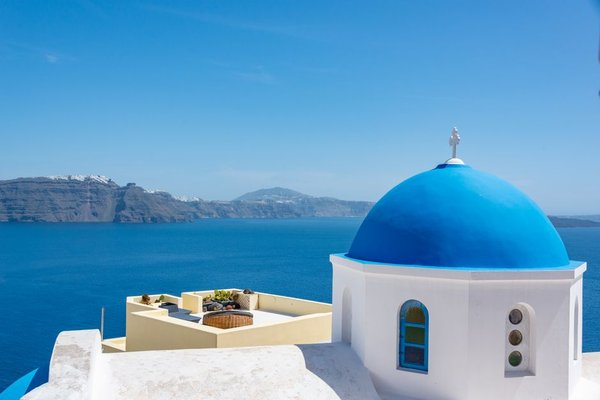
Santorini is one of those places that can feel familiar before you arrive: whitewashed houses spilling down volcanic cliffs, blue church domes, and the famous Oia sunset glowing over the Aegean. Yet the island is more rewarding when you look beyond the postcard view. For UK travellers planning a honeymoon, summer break or first trip to the Greek islands, the key is choosing the right season, staying in the right part of the island, and balancing the headline sights with quieter corners.
When to visit Santorini
For many travellers, late April to June and September to October offer the best balance of pleasant weather, open restaurants and attractions, and lighter crowds than the July-August peak. These shoulder-season months are especially appealing if you want to walk between villages, explore archaeological sites, or enjoy caldera views without arranging every day around the midday heat.
July and August bring the busiest holiday atmosphere and the strongest demand for hotels, restaurants and sunset viewpoints. They suit travellers who want long, bright days and a lively summer feel, but booking well ahead is sensible. If you are deciding when to visit Santorini for a honeymoon, May, June, September and early October can feel more relaxed while still offering plenty of outdoor time.
Start with Fira and the caldera
Fira, the island’s main town, is a practical first stop because it combines transport links, restaurants, shops and sweeping views across the caldera. The cliff-edge lanes are easy to explore on foot, and the town gives you a clear sense of Santorini’s volcanic geography before you venture farther.
If your schedule allows, walk part of the cliff path north from Fira towards Firostefani and Imerovigli. Even a shorter section delivers some of the island’s best elevated views. Keen walkers can continue towards Oia, but the full route is exposed in places, so start early, carry water and avoid the hottest part of a summer day.
Our Greek islands guide can also help you compare Santorini with other Cycladic destinations.
See Oia without making sunset your only goal
Oia deserves its reputation, but it is worth visiting before the evening crowds arrive. Go in the morning to explore the narrow lanes, cave-style houses, galleries and viewpoints at a slower pace. Then return later if seeing the Oia sunset is high on your list.
A practical approach is to choose your sunset spot well before the light starts changing rather than joining the last-minute rush at the most photographed viewpoints. Staying for a little while after the sun drops can be just as rewarding, when the sky softens and many day visitors begin to leave. For couples, a quieter terrace or less crowded lane can feel more memorable than competing for the classic photo angle.
Explore Santorini’s volcanic history
Santorini is not simply a beautiful island; its shape and scenery are the result of powerful volcanic activity. A caldera boat trip offers a direct way to understand that landscape, with routes commonly visiting the volcanic islets around Nea Kameni and the waters near Palia Kameni. Wear sturdy footwear, take sun protection and bring drinking water if your excursion includes walking on volcanic terrain.
On land, Akrotiri is one of the island’s essential historical stops. This important prehistoric settlement was preserved beneath volcanic material, leaving streets, buildings and evidence of a sophisticated Bronze Age community. Opening arrangements can change, so check the official Greek Ministry of Culture information before setting out.
Our Mediterranean travel guide is a useful next read for planning a wider regional trip.
Choose the right Santorini beaches
The Santorini beaches look very different from the pale-sand coves found on some other Greek islands. The volcanic geology creates dark sand, pebbles and dramatic cliffs, giving the coastline a distinctive character.
Kamari and Perissa
Kamari and Perissa are among the easiest choices for a straightforward beach day, with long stretches of dark shoreline and plenty of nearby places to eat or take a break from the sun. They work particularly well if you want to spend part of your trip beside the sea rather than staying entirely around the caldera.
Red Beach and the southern coast
Red Beach is known for its striking rust-coloured cliffs and contrasting blue water. Access conditions around steep coastal terrain can change, so treat it as a scenic stop and follow local safety signs rather than assuming every path is open. The wider southern coast can also be explored by boat, which gives a different perspective on Santorini’s layered volcanic rock.
How to plan a first Santorini trip
A three- or four-night stay gives first-time visitors enough time to see the main sights without turning the trip into a checklist. For example, spend your first afternoon in Fira and Imerovigli, dedicate the next day to Akrotiri and the southern coast, use another day for a caldera cruise or beach time, and save Oia for a morning visit followed by sunset.
Public buses connect many popular areas, while taxis and private transfers can be useful for early flights, late arrivals or more tightly timed itineraries. Renting a vehicle offers flexibility, but roads can be busy in peak season and parking near popular villages is limited. Whatever transport you choose, leave extra time around sunset and ferry or airport transfers.
UK travellers should also check current FCDO advice before departure. Greece can experience wildfires, extreme heat and earthquakes, and official guidance recommends keeping emergency alerts enabled on your phone. Travel insurance should match your planned activities, especially if you will be hiking, boating or hiring a vehicle.
FAQs about visiting Santorini
How many days do you need in Santorini?
Three to four nights works well for a first visit. It gives you time for Fira, Oia, a beach or archaeological stop, and one slower experience such as a caldera cruise without rushing every day.
Is Santorini good for a honeymoon?
Yes. Caldera-view accommodation, sunset dining and easy access to scenic villages make it a natural honeymoon destination. Couples who prefer a calmer atmosphere may enjoy travelling just outside the July-August peak.
Which area is best to stay in Santorini?
Fira is convenient for transport and nightlife, Oia is ideal for iconic scenery and a romantic atmosphere, and Imerovigli is often chosen for quieter caldera views. Beach areas such as Kamari or Perissa suit travellers who want easier seaside access.
Is Santorini only worth visiting for the views?
No. The caldera is the headline attraction, but archaeological sites, volcanic landscapes, local villages and distinctive beaches add much more depth to a trip.
Make Santorini more than a photo stop
The best Santorini travel guide is not about squeezing every famous viewpoint into one day. Give the island time to reveal its contrasts: a quiet morning in Oia, dark volcanic beaches, the prehistoric streets of Akrotiri, a cliff walk above the caldera and an unhurried evening as the light changes. Choose your season carefully, build in breathing room, and Santorini can feel far more personal than its popularity suggests.