
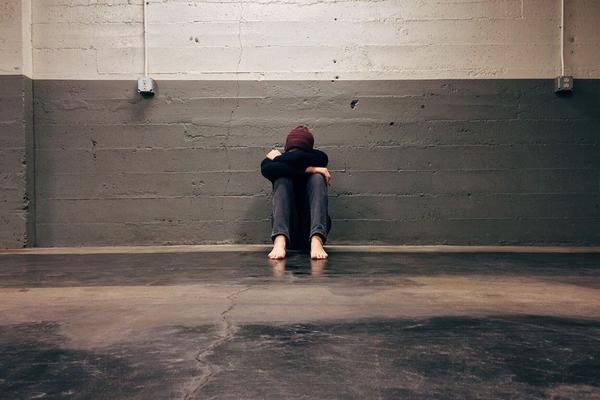
Solo travel can look exciting from the outside and still feel intimidating when you are the person holding the ticket. The fear of travelling alone often grows around things you cannot fully control: getting lost, eating alone, dealing with a delay, feeling lonely, or having nobody familiar beside you when something unexpected happens. That does not mean you are unsuited to travelling independently. A first solo trip simply contains plenty of uncertainty.
The aim is not to force yourself to feel fearless. A more useful goal is to make the journey manageable enough that nerves do not make every decision for you. Solo travel confidence usually comes from preparation, small successful experiences and knowing what you will do if you feel overwhelmed.
Make the trip smaller in your mind
A nervous solo traveller can mentally rehearse the whole journey at once: the airport, transport, hotel check-in, meals, sightseeing, safety and the return home. That turns one trip into dozens of imagined problems. Break the experience into shorter stages instead. Focus first on getting to the airport or station, then arrival, then the first evening. You need a workable plan for the next stage, not certainty about every hour.
If you are still choosing a destination and route, first solo trip planning is a useful related topic to explore. The best plan removes avoidable uncertainty without turning the holiday into a rigid timetable.
Prepare for the situations that actually worry you
Generic packing lists do not always help with solo travel anxiety because the stressful part is rarely forgetting socks. Ask yourself what you specifically fear might happen. If you worry about getting lost, download an offline map and save your accommodation address. If arriving after dark makes you uneasy, choose an earlier arrival where possible. If eating alone feels awkward, make your first meal a casual cafe rather than a formal restaurant.
Preparation works best when it answers a real concern. It becomes less helpful when it turns into endless checking. Decide what information you genuinely need, save it in one place, and then stop researching every possible negative scenario.
Create a simple arrival plan
The first few hours can feel harder because everything is unfamiliar. Write down your transport option from the airport or station, accommodation address, check-in instructions and one nearby place for food or water. Keep a screenshot in case your mobile signal is poor.
Imagine arriving in Lisbon alone for the first time. Instead of planning several attractions, your first evening could be: reach the hotel, check in, walk around the block, buy water and eat nearby. That gives you time to adjust before asking more of yourself.
Use routines to create familiarity
Travel removes many cues that make a normal day feel predictable. A few familiar routines can make a new place feel less demanding. You might eat breakfast at roughly the same time, message someone at home each evening or review the next day’s route before bed. Try to protect your sleep, eat regular meals and leave downtime between busy activities.
Know what to do when anxiety rises
If anxiety spikes while you are away, you do not have to solve the whole trip. Slow the situation down. Sit somewhere safe, breathe slowly, notice what is around you and focus on the next practical step. An anxious feeling can be intense without being a reliable prediction that something bad is about to happen.
A brief grounding routine can help: notice a few things you can see, hear and physically feel, then choose one simple action such as drinking water, checking your map or returning to your accommodation. Slow breathing and focusing on something non-threatening are commonly recommended ways to manage panic symptoms.
If anxiety is persistent, severe or regularly stops you from functioning, professional support is worth considering before travel. People already receiving treatment for a mental health condition should plan ahead for continuity of care, medication rules and access to help at their destination.
Build confidence before you leave home
You do not have to make an international holiday your first test. Spend an afternoon exploring a nearby town alone. Take a train somewhere unfamiliar and return the same day. Eat one meal by yourself. Book one night in a hotel within easy reach of home.
These smaller experiences teach you something reassurance cannot: you can feel nervous and still complete the task. Gradually spending time in situations you have been avoiding can make them feel less threatening.
Before departure, review solo travel safety tips for your destination, including how you will store important documents, share your itinerary with someone you trust, contact local emergency services and check official travel advice.
Give yourself permission to change the plan
Solo travel is sometimes presented as a test of independence, but there is no prize for making yourself miserable. You can leave a crowded attraction, take a taxi instead of walking, eat takeaway in your room, skip a late-night activity or spend an afternoon resting. Flexibility is not failure.
Try to separate discomfort from genuine danger. If a place or person makes you feel unsafe, leave. If the problem is simply feeling self-conscious in a cafe, staying another ten minutes may be a useful confidence-building step.
Make loneliness easier to manage
Feeling lonely for part of a solo trip is possible even when you wanted the independence. Plan a few points of connection. A walking tour, small group activity, cooking class or shared day trip can add social contact without requiring instant friendship. If the social side worries you, meeting people while travelling alone is a useful related topic to explore.
Frequently asked questions
Is solo travel anxiety normal?
Yes. Travel involves uncertainty, unfamiliar environments and many small decisions, so some nervousness is common. What matters is whether the anxiety remains manageable and still allows you to function.
How can I calm down before my first solo trip?
Confirm the essentials, plan your arrival, practise a few solo activities at home and avoid repeatedly searching for worst-case scenarios. Practical preparation is more useful than trying to eliminate every worry.
Should I cancel a solo trip if I feel anxious?
Not necessarily. Pre-trip nerves may settle once the journey begins. If anxiety is severe, causing panic, affecting daily life or linked to an existing mental health condition, consider speaking with a qualified healthcare professional before travelling.
What if I have a panic attack while travelling alone?
Move to a safe place if needed, slow your breathing, focus on something visible and non-threatening, and remind yourself that panic symptoms usually pass. If symptoms are severe, unusual, or you think you need medical help, seek local assistance rather than assuming anxiety is the only cause.
Travel with nerves, not against them
You do not need to become a completely different person before travelling alone. A calmer trip usually comes from reducing avoidable uncertainty, keeping plans realistic and learning that you can handle manageable discomfort. Start small, prepare for the moments you genuinely find difficult and leave room to rest. Confidence is often the result of travelling with some nerves and discovering, step by step, that you can cope.